20217-2012
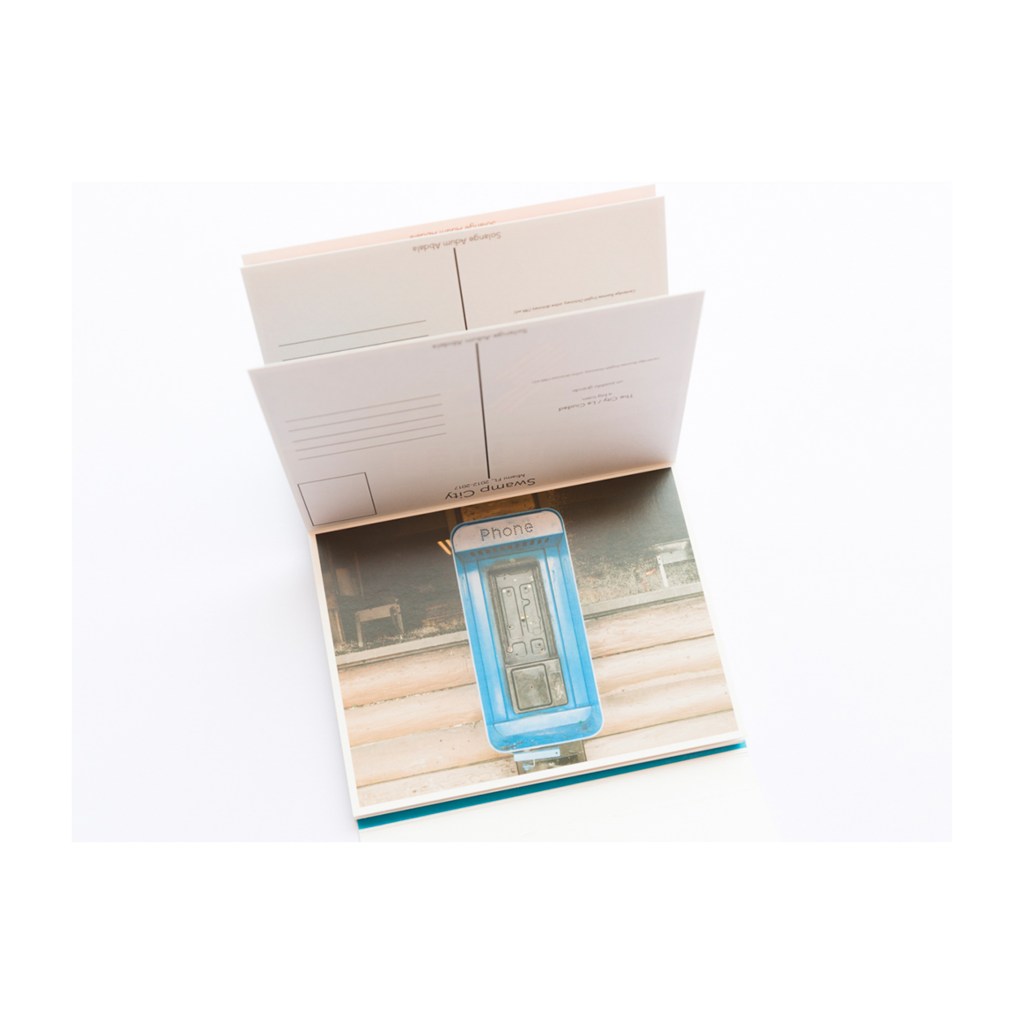
Postcards [Postales]

Photo-documentation at the Sala Pardo Heeren Gallery from ICPNA, Lima. 2017.
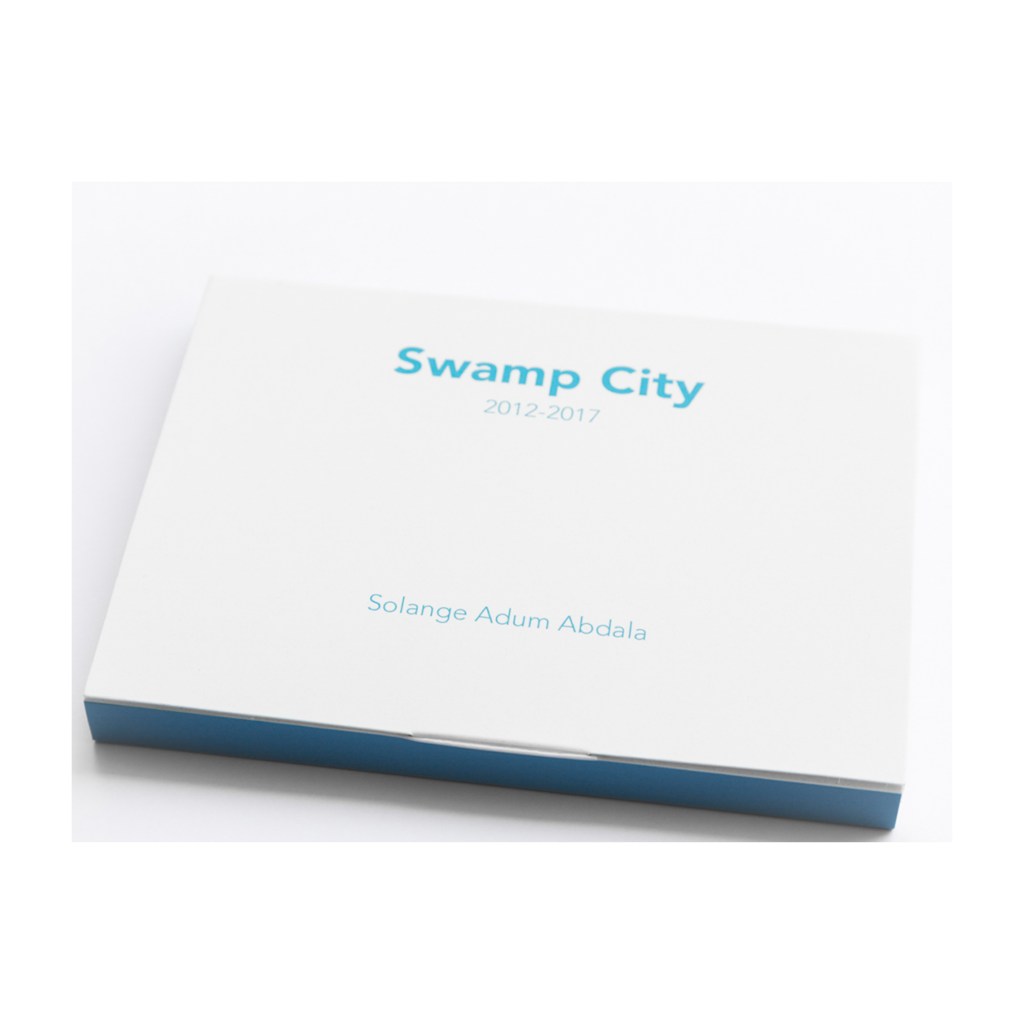



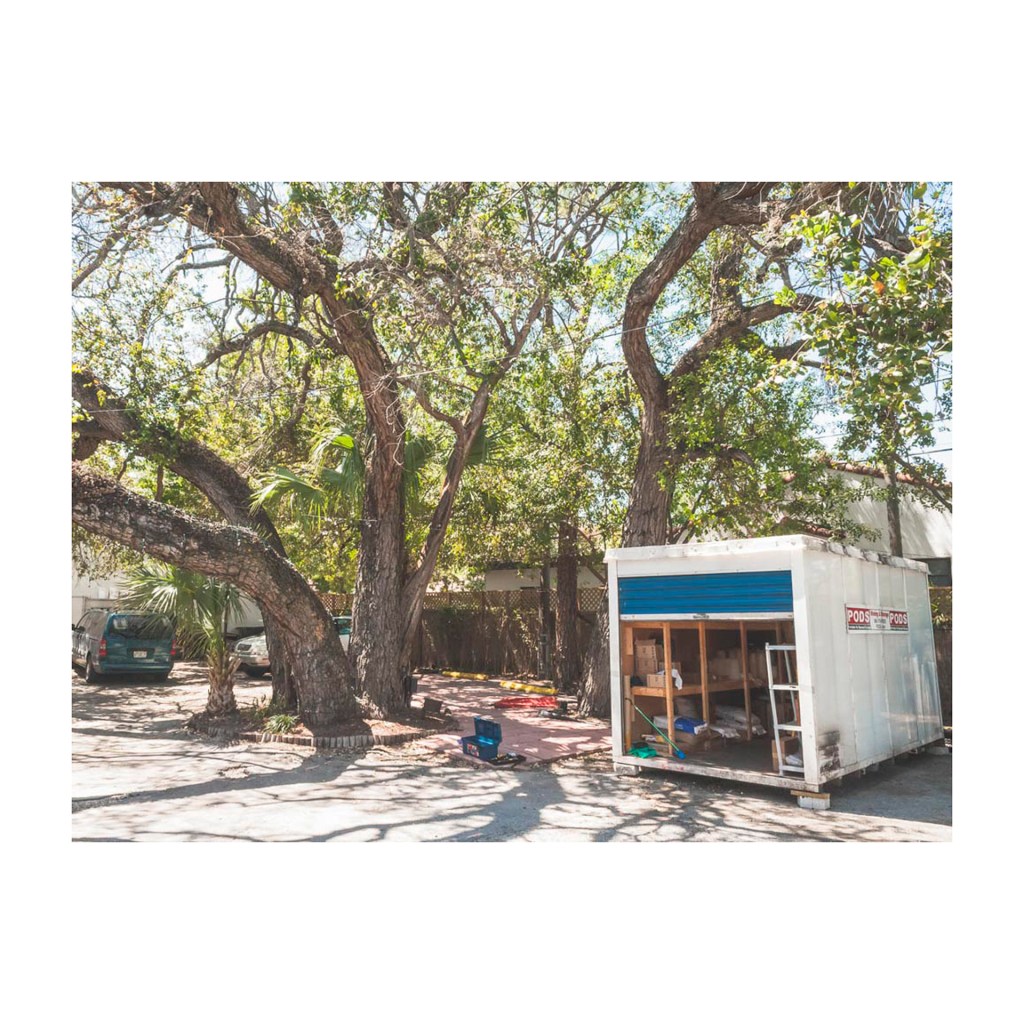


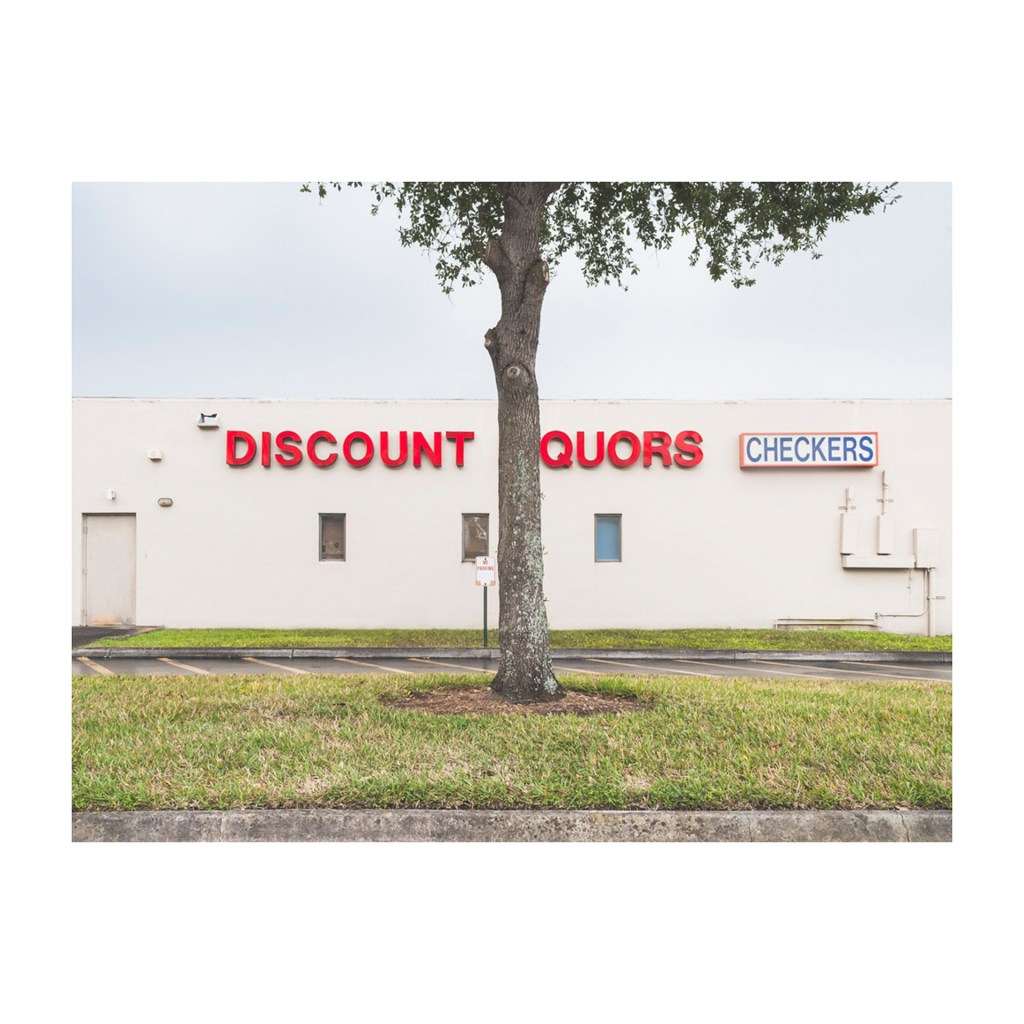

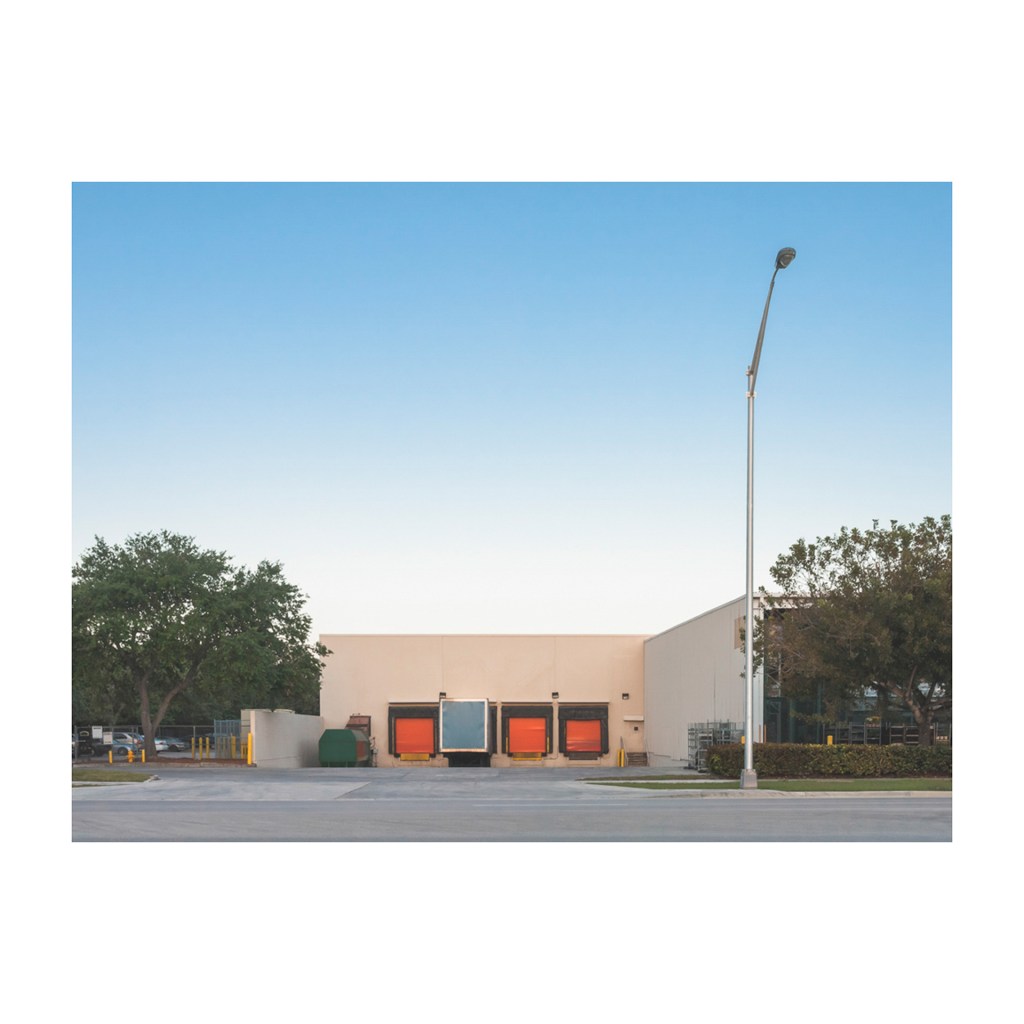

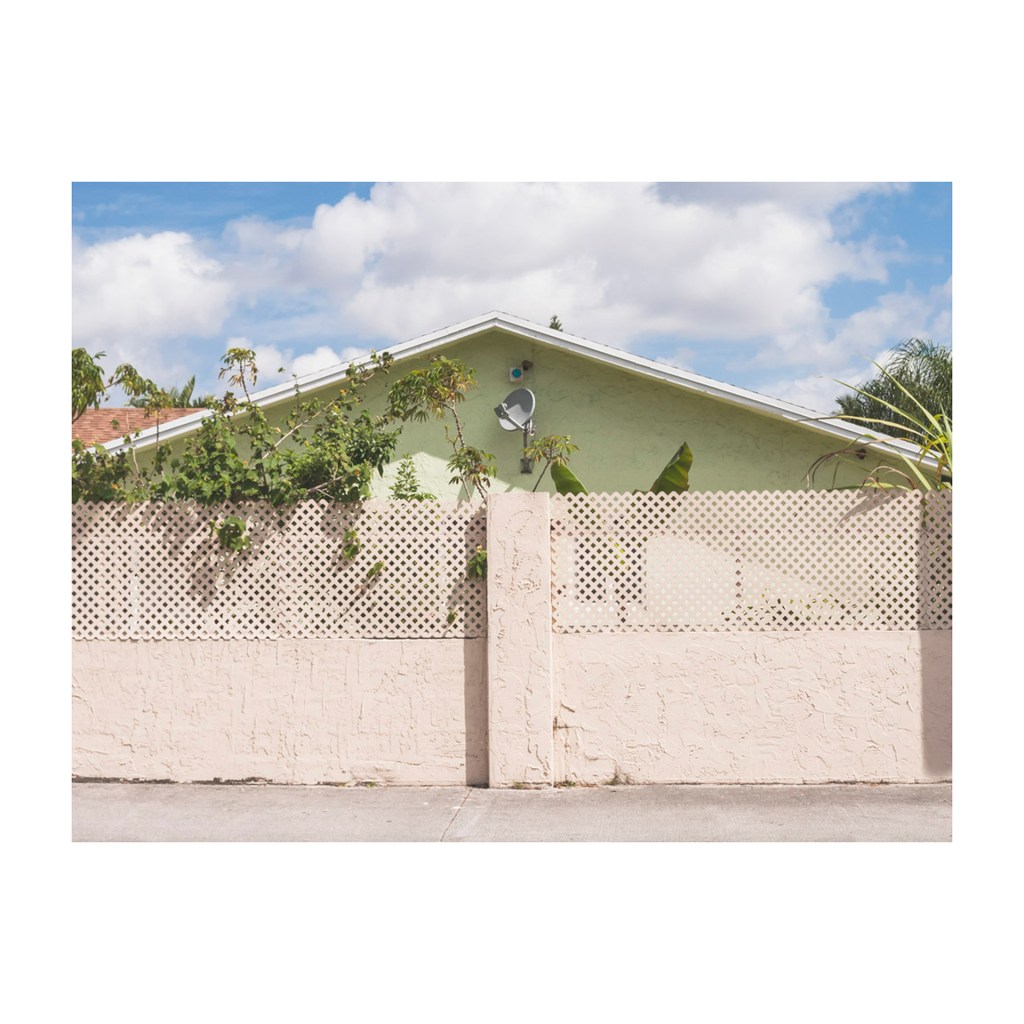

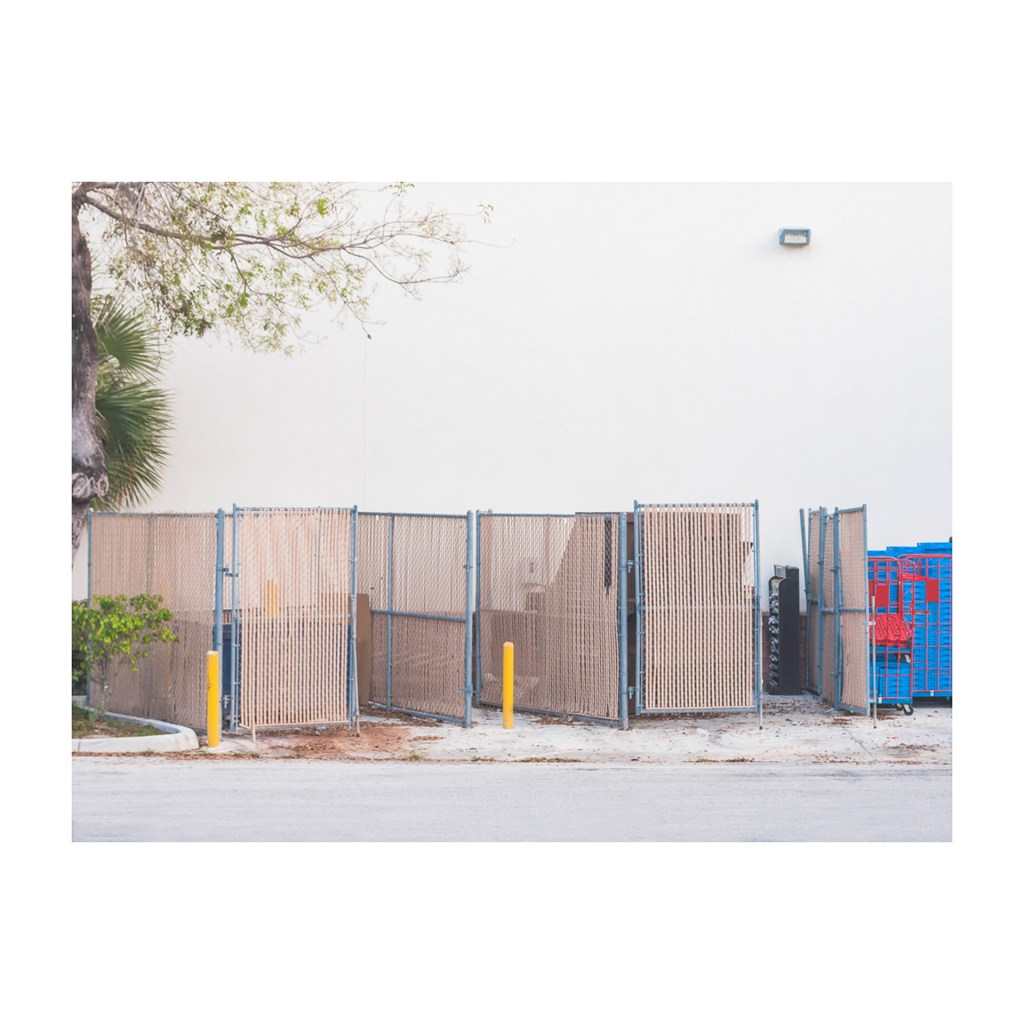


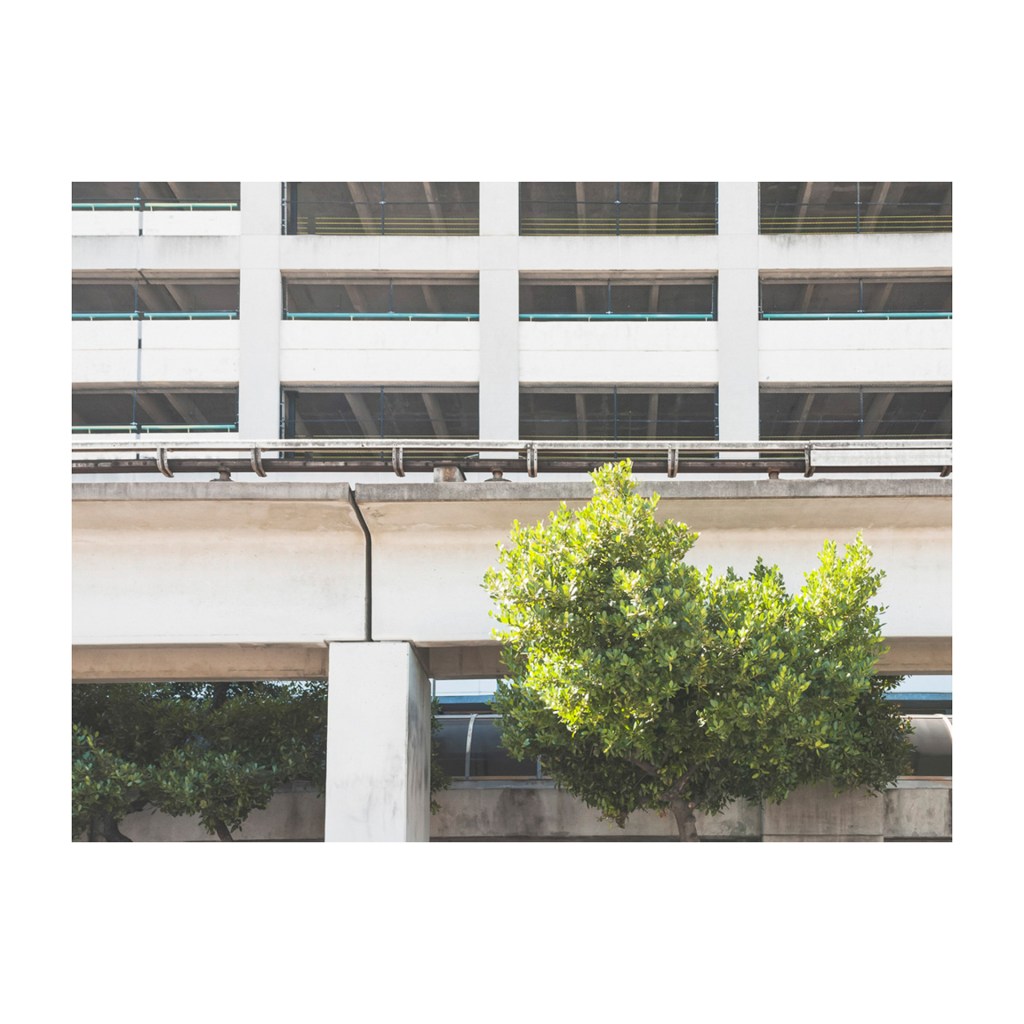

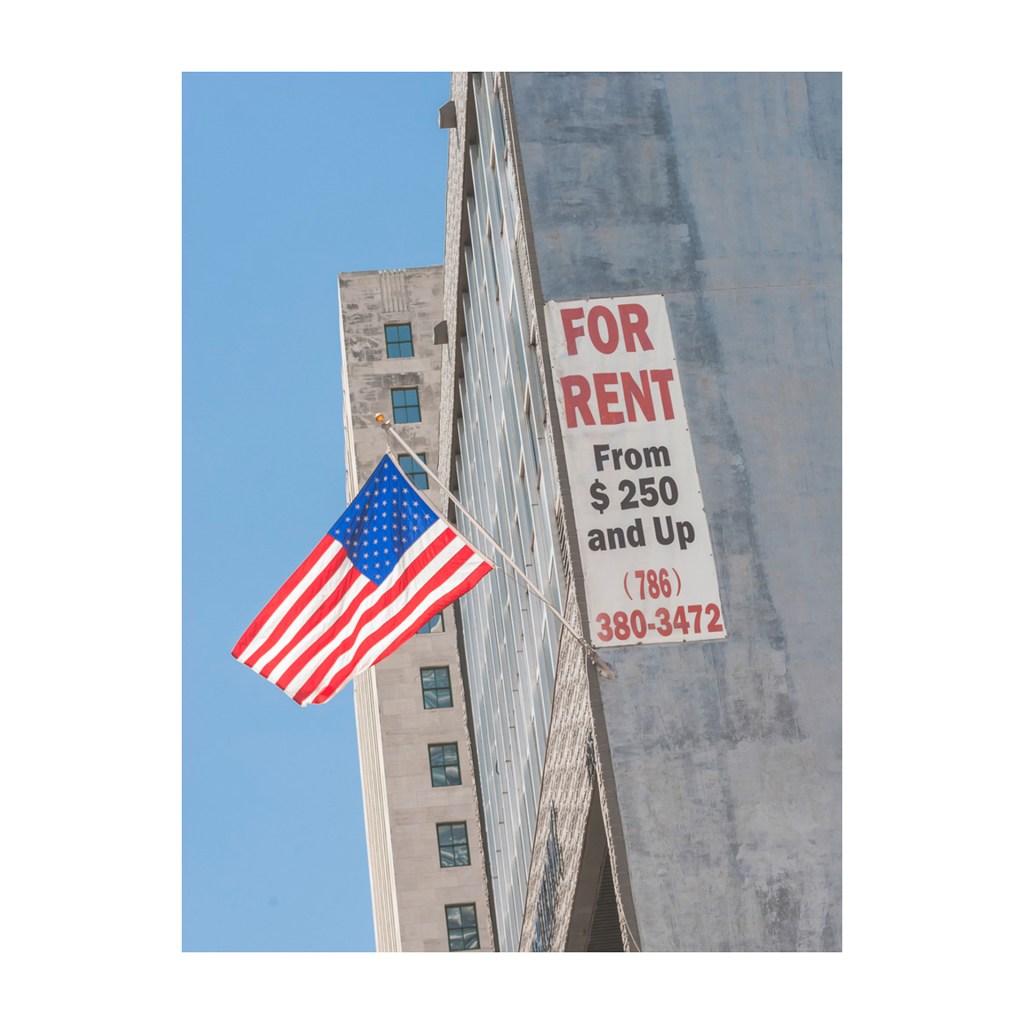


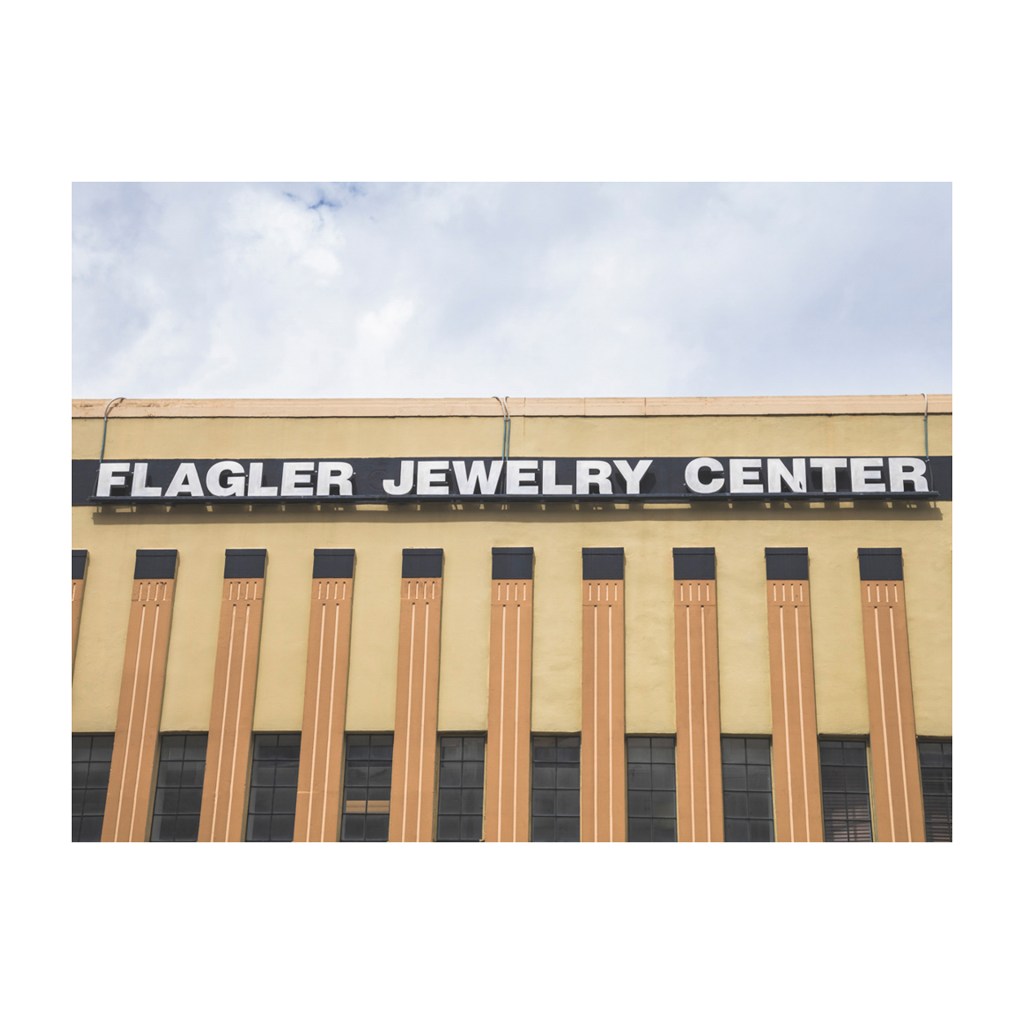
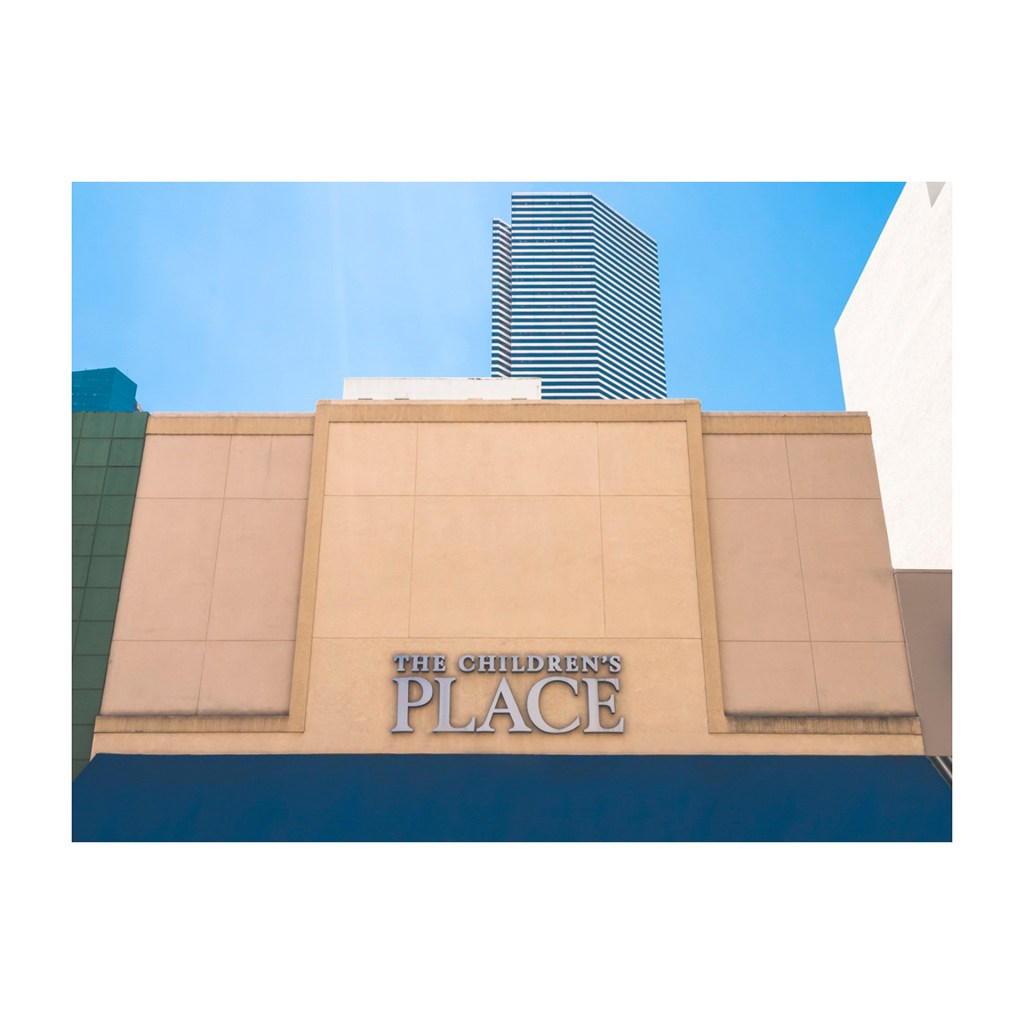
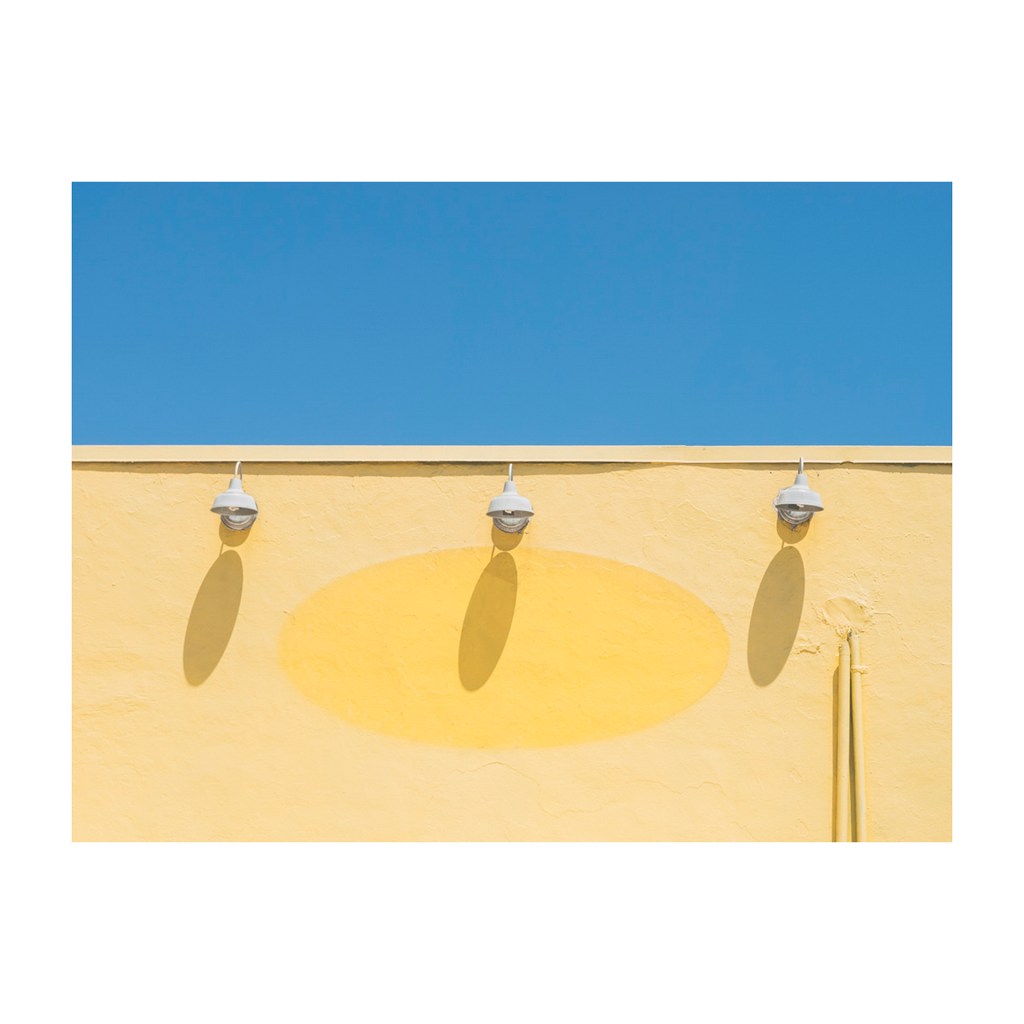

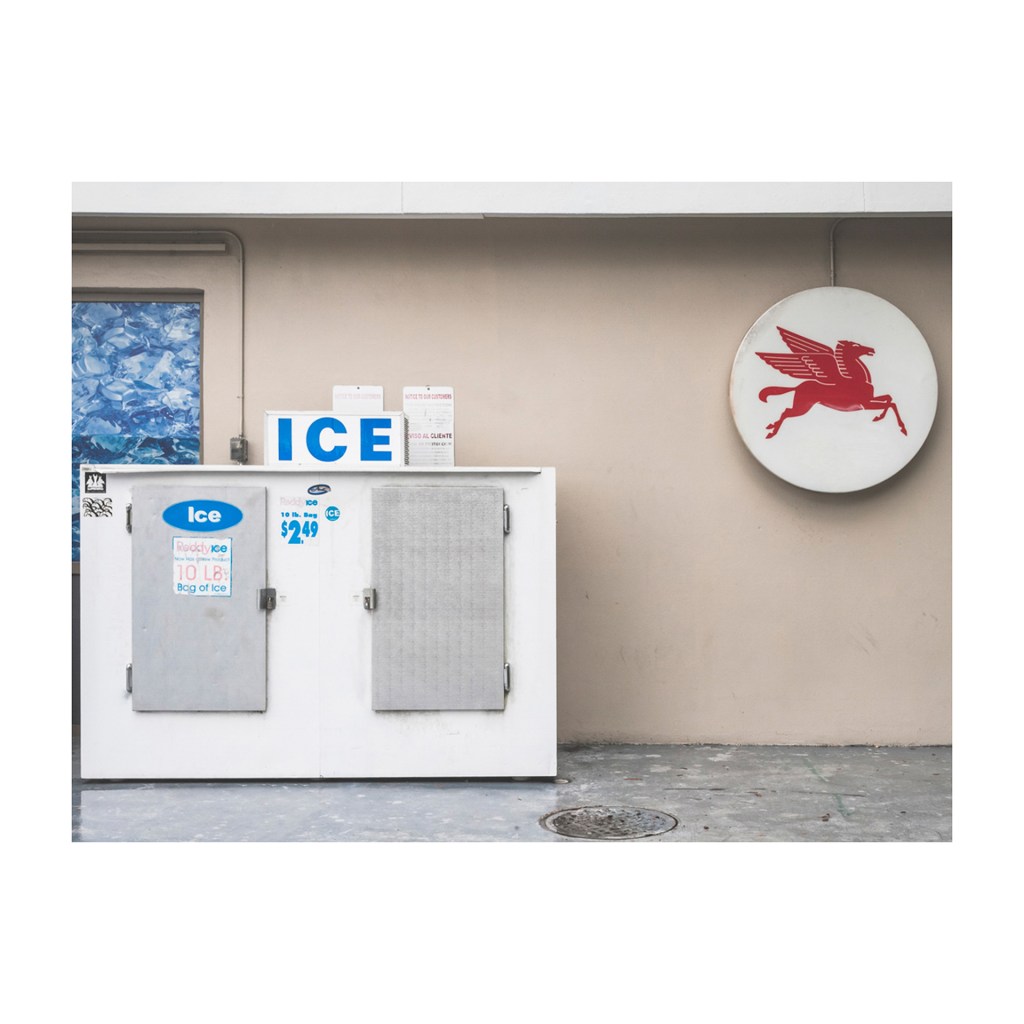

Miami, an iconic city for the Latin community in the United States, arises in the middle of a geography of thick swampy nature, which has been transgressed by humans during the last 80 years, since the beginning of its architectural and commercial boom in the second decade of the 20th century.
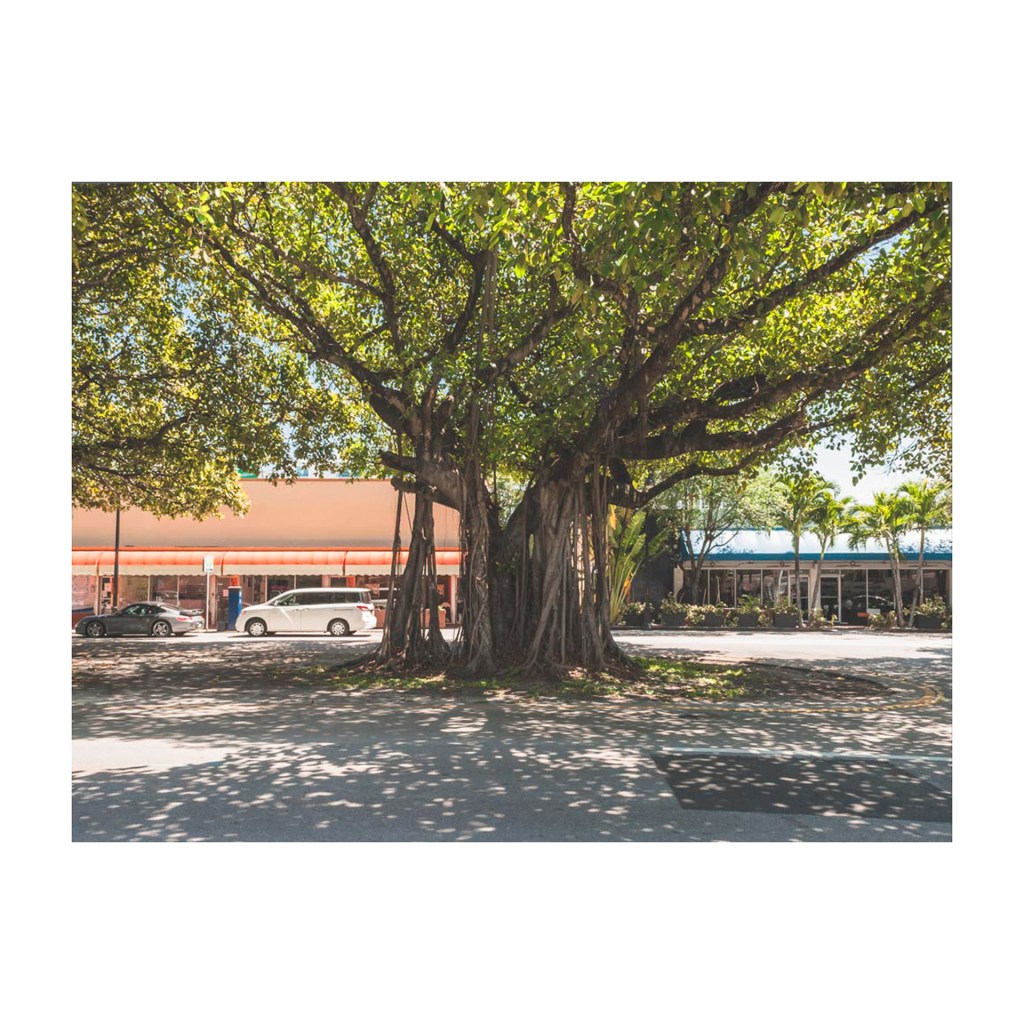
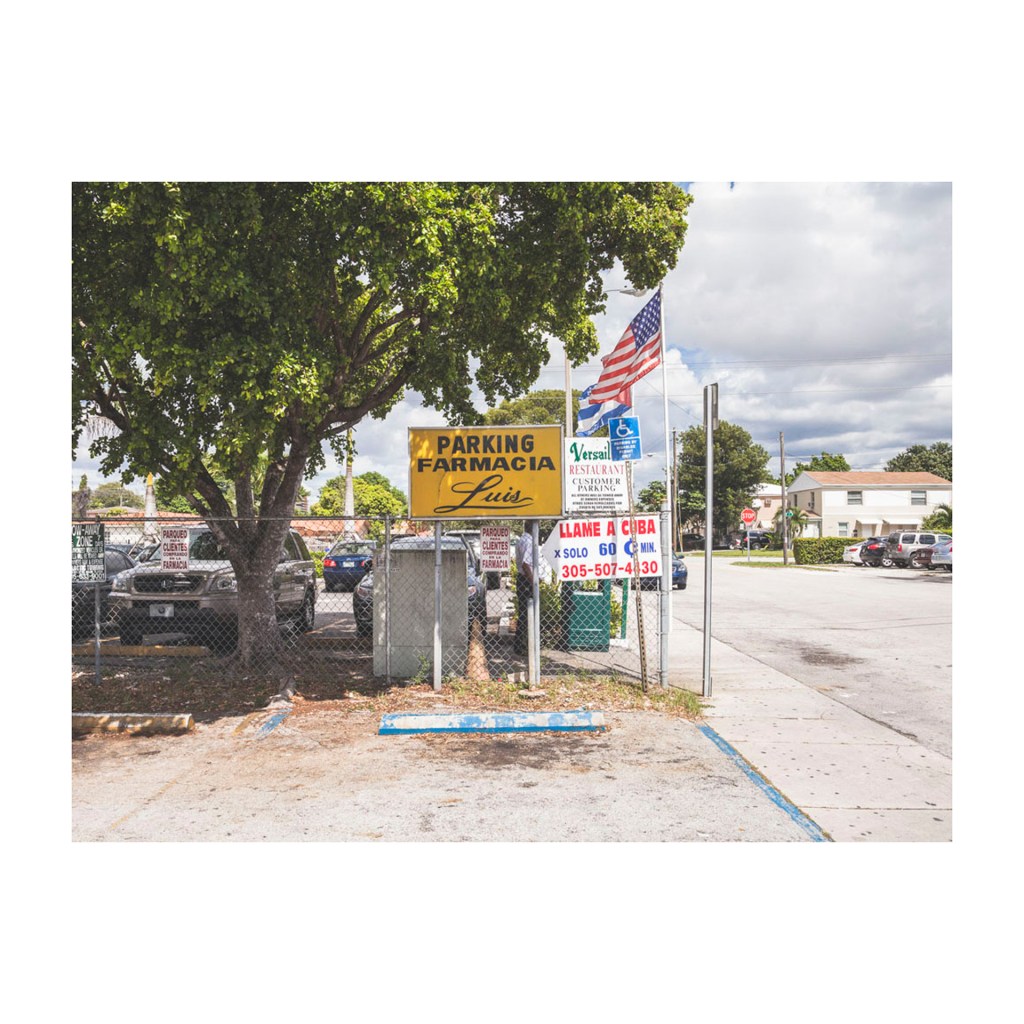
The Swamp City project is divided into three parts: The Swamp, The Resilience, and The City. The Swamp stands out for its representation of the natural state of the Florida area, whose tropical and swampy thickness coexists similarly and harmoniously with urban and suburban neighbourhoods. The Resilience, for its part, witnesses how the weight of cement constructions imposes itself as a skyline, subduing nature unquestionably. Finally, The City documents the center of the city of Miami. In this place, commerce, which had been in decline due to the 2008 economic crisis, still maintains absolute supremacy over nature.
The photographic document compiles images of desolate land, garages, factories, warehouses, anonymous constructions, posters, advertisements, and details. The register is clean, geometric, frontal, and objective, relevant to shapes and contrasts. All these “architectural devices” are photographed almost sculpturally, thus discovering a sub-natural landscape devastated by fierce anthropization and excessive growth. Thus, each “sculpture” unveiled in Swamp City becomes a kind of landmark whose presence is now irreversible, reconfiguring the territory from a landscape to a deformed anti-landscape of unknown consequences. The landmarks suggested by the artist are perhaps a mirage of the so-called “American Dream” for the Latin community in the U.S.
Miami, una ciudad icónica para la comunidad latina en Estados Unidos, surge en medio de una geografía de naturaleza pantanosa y espesa, que ha sido transgredida por los seres humanos durante los últimos 80 años, desde el inicio de su auge arquitectónico y comercial en la segunda década del siglo XX.
El proyecto Swamp City [Ciudad Pantanosa] se divide en tres partes: The Swamp [El Pantano], The Resilience [La Resiliencia] y The City [La Ciudad]. The Swamp se destaca por su representación del estado natural del área de Florida, cuya densidad tropical y pantanosa coexiste de manera similar y armoniosa con vecindarios urbanos y suburbanos. The Resilience, por su parte, atestigua cómo el peso de las construcciones de cemento se impone como un skyline, sometiendo incuestionablemente a la naturaleza. Finalmente, The City documenta el centro de la ciudad de Miami. En este lugar, el comercio, que había estado en declive debido a la crisis económica de 2008, aún mantiene una supremacía absoluta sobre la naturaleza.
El documento fotográfico compila imágenes de terrenos desolados, garajes, fábricas, almacenes, construcciones anónimas, carteles, anuncios publicitarios y detalles. El registro es limpio, geométrico, frontal y objetivo, con relevancia en las formas y los contrastes. Todos estos “dispositivos arquitectónicos” son fotografiados casi escultóricamente, descubriendo así un paisaje subnatural devastado por una feroz antropización y un crecimiento excesivo. Así, cada “escultura” revelada en Swamp City se convierte en una especie de hito cuya presencia es ahora irreversible, reconfigurando el territorio de un paisaje a un anti-paisaje deformado de consecuencias desconocidas. Los hitos sugeridos por el artista son quizás un espejismo del llamado “sueño americano” para la comunidad latina en los Estados Unidos.
 Solange Adum Abdala