2014-2012
Digital imaging, photography and one-channel video [Imagen digital, fotografía y video de un canal]
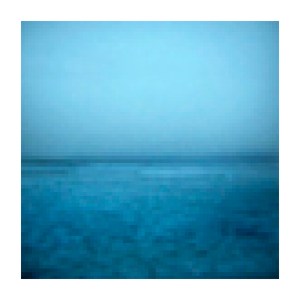


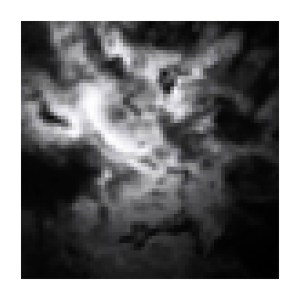


Picture Element is a practice-based artistic research in which the pixel is made evident, through the intentional synthesis of the image, in order to question the relationship between quantity and quality in the market of digital photography technologies. By drastically decreasing the resolution and interpolating toward reduction, the pixel, an acronym for Pixel x Element, shifts the viewer’s attention from the photographed referent to the entity that constitutes the photograph. In the images and the video, its most elemental composition is revealed, a grid of squares of the same size, each with a solid colour, celebrating the pixel as the minimal cell of the digital medium and as a carrier of colour capable of intrinsically conveying sensations. This decision critiques the current logic of consumption that associates definition and quality with high numerical values that exceed our mental capacity to account for them and to relate to colour from a quantitative standpoint. As Flusser notes, “photography is an apparatus programmed to produce numerical combinations,” yet from the arts there is an intention to generate tension within that programming. By nullifying its numerical density, the work detaches technical photography from its conventional figurative and denotative function, placing it within the territories of the abstract and the non-figurative. This operation demonstrates that photography, even as a medium historically associated with mimesis, can be reconfigured as an autonomous field of perception.
The pixel also participates in the construction of a collective memory through the internet and virtual platforms. Picture Element is situated at this threshold, restoring to the digital image its sensory and collective character, questioning current criteria of quality in the technical image that are tied to technological consumption, where more numerical information is equated with greater aesthetic value.
Picture Element es una investigación basada en la práctica artística en la que se evidencia al píxel, mediante la sintetización intencional de la imagen, para cuestionar la relación entre cantidad y calidad en el mercado de la tecnología de las fotografías digitales.
Disminuyendo drásticamente la resolución e interpolando hacia la reducción, el píxel, acrónimo de Pixel x Element, desplaza la atención del referente fotografiado hacia el ente que constituye la foto. En las imágenes y el video se revela su composición más elemental, una grilla de cuadrados del mismo tamaño, cada uno con un color sólido, celebrando al píxel como célula mínima del medio digital y como portador de color capaz de transmitir sensaciones de manera intrínseca. Esta decisión critica la lógica actual de consumo que asocia la definición y la calidad con altos valores numéricos que escapan a nuestra capacidad mental de contabilizar y de relacionarnos con el color desde lo cuantitativo. Si bien, como señala Flusser, “la fotografía es un aparato programado para producir combinaciones numéricas”, desde las artes se busca generar una tensión en esa programación. Al anular su densidad numérica, desprende a la fotografía técnica de su convencional función figurativa y denotativa, situándola en los territorios de lo abstracto y lo no figurativo. Esta operación evidencia que la fotografía, aun siendo un medio históricamente asociado a la mímesis, puede reconfigurarse como un campo autónomo de percepción.
También, el píxel participa en la construcción de una memoria colectiva a través de internet y las plataformas virtuales. Picture Element se sitúa en ese umbral, devolviéndole a la imagen digital su carácter sensorial y colectivo, cuestionando los criterios actuales de calidad en la imagen técnica relacionados con el consumo de las tecnologías, donde más información numérica equivale a mayor valor estético.
 Solange Adum Abdala