2014-2013
Digital Photography [Fotografía digital]
ORNIS I






ORNIS II: La Muerte es Bella y la Eternidad También


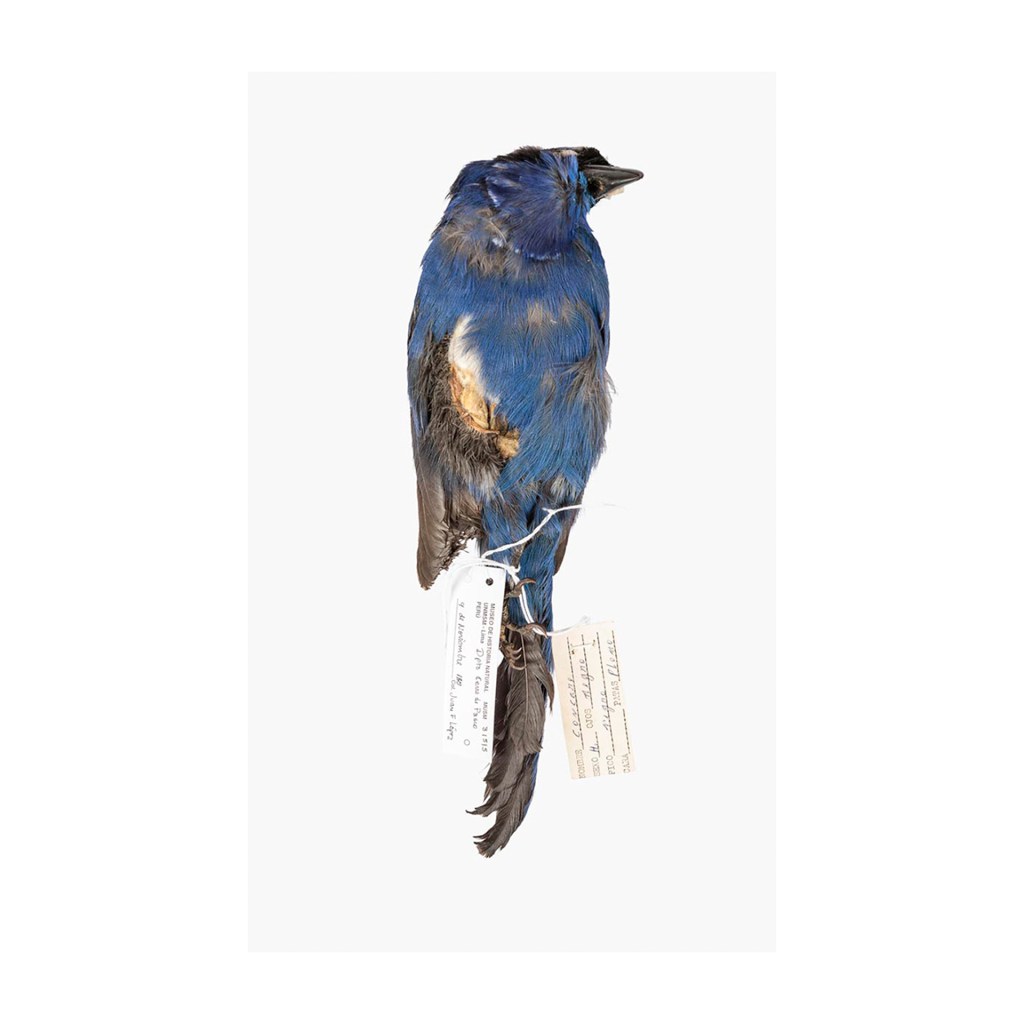

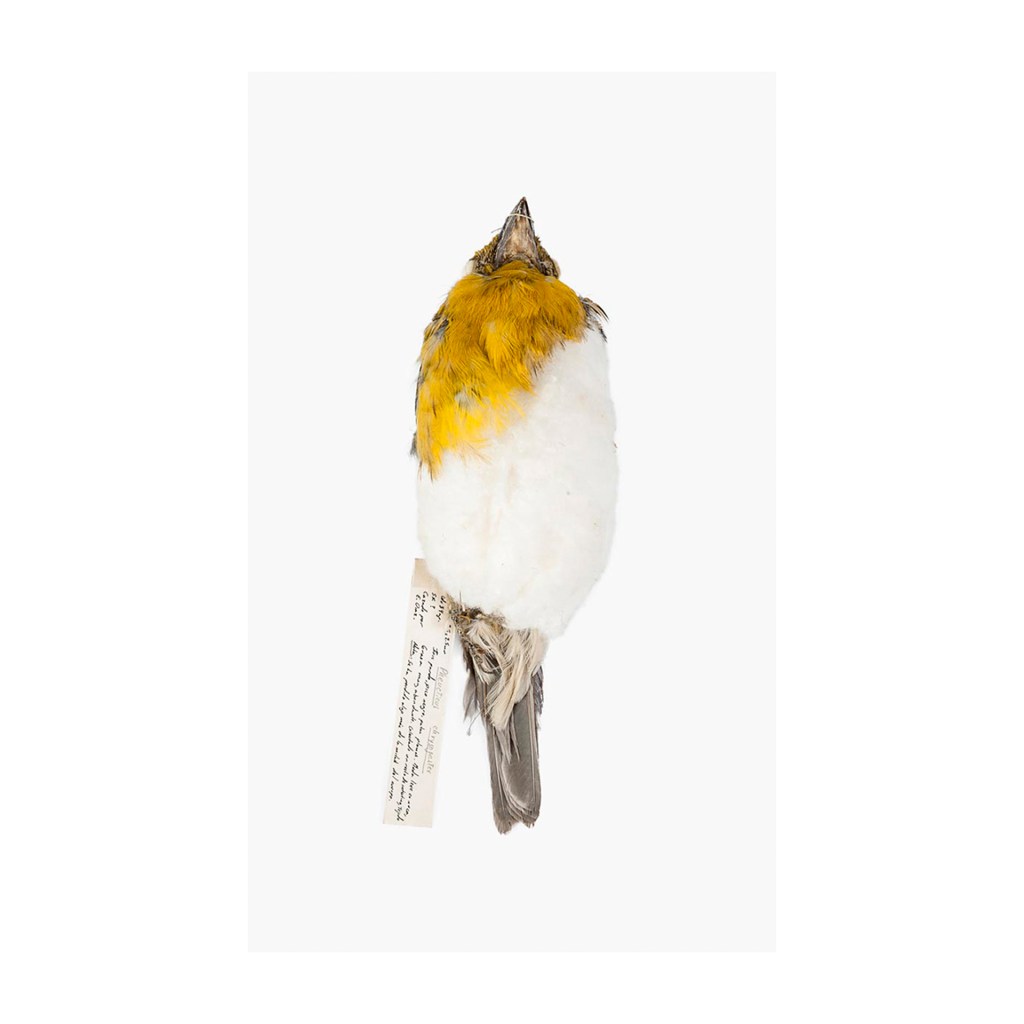


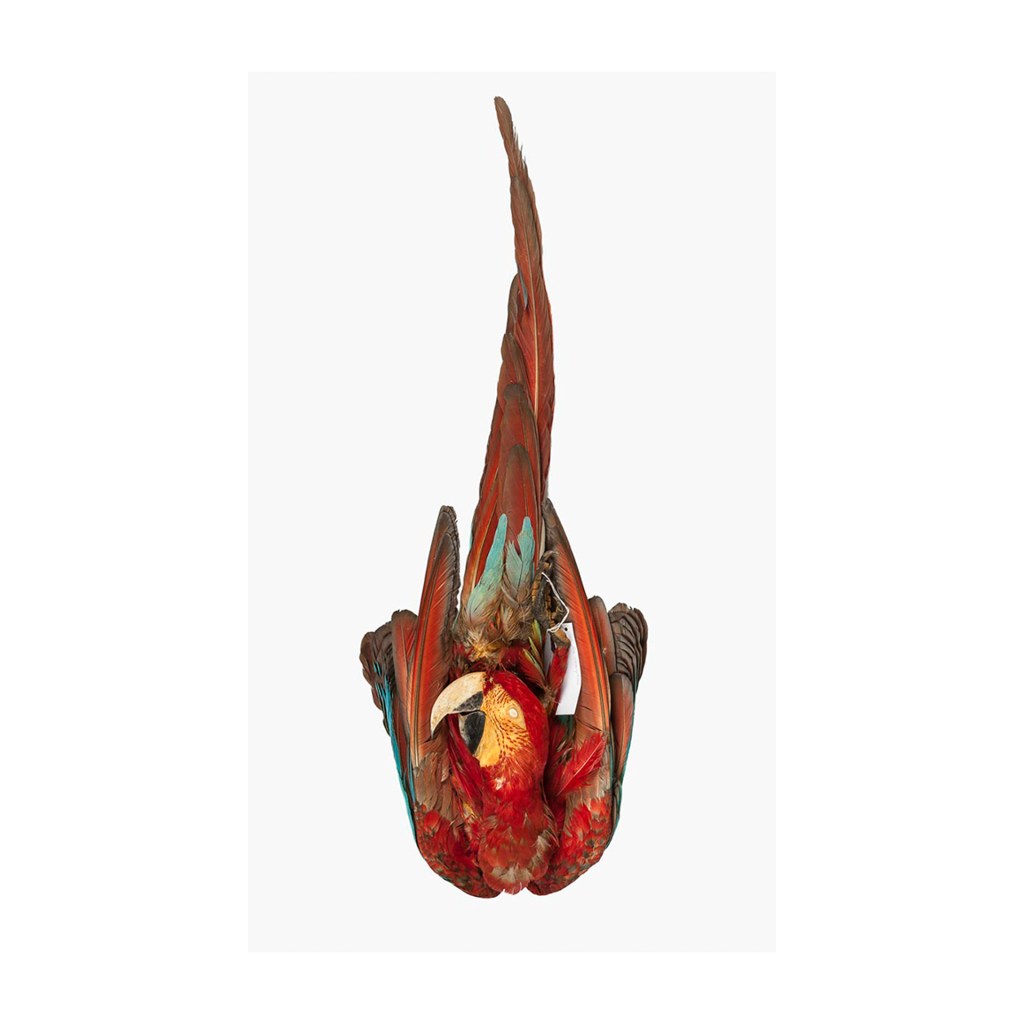
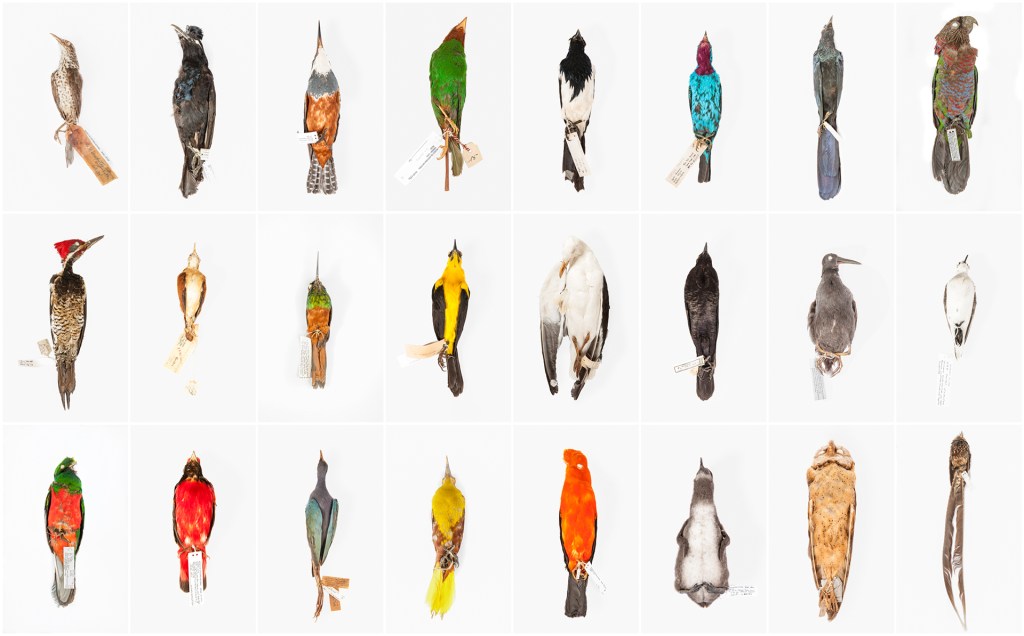
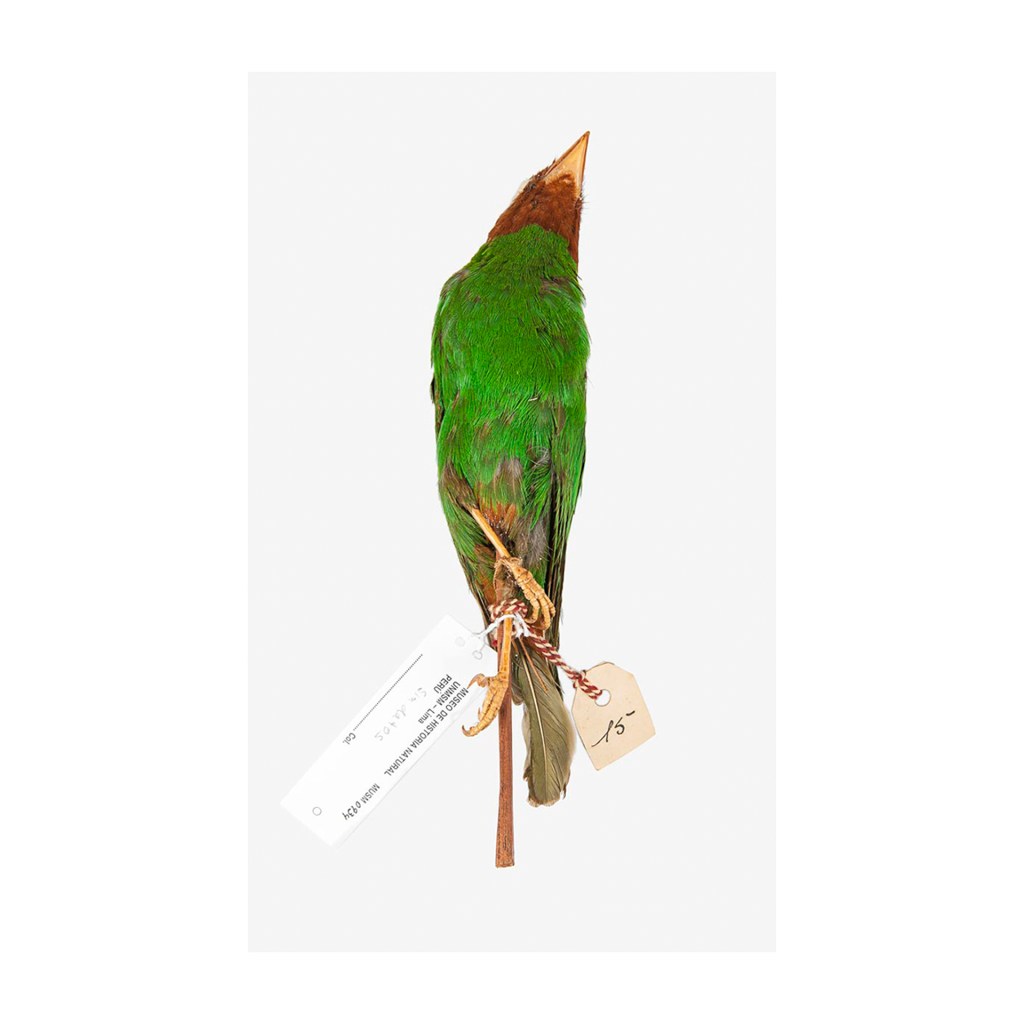
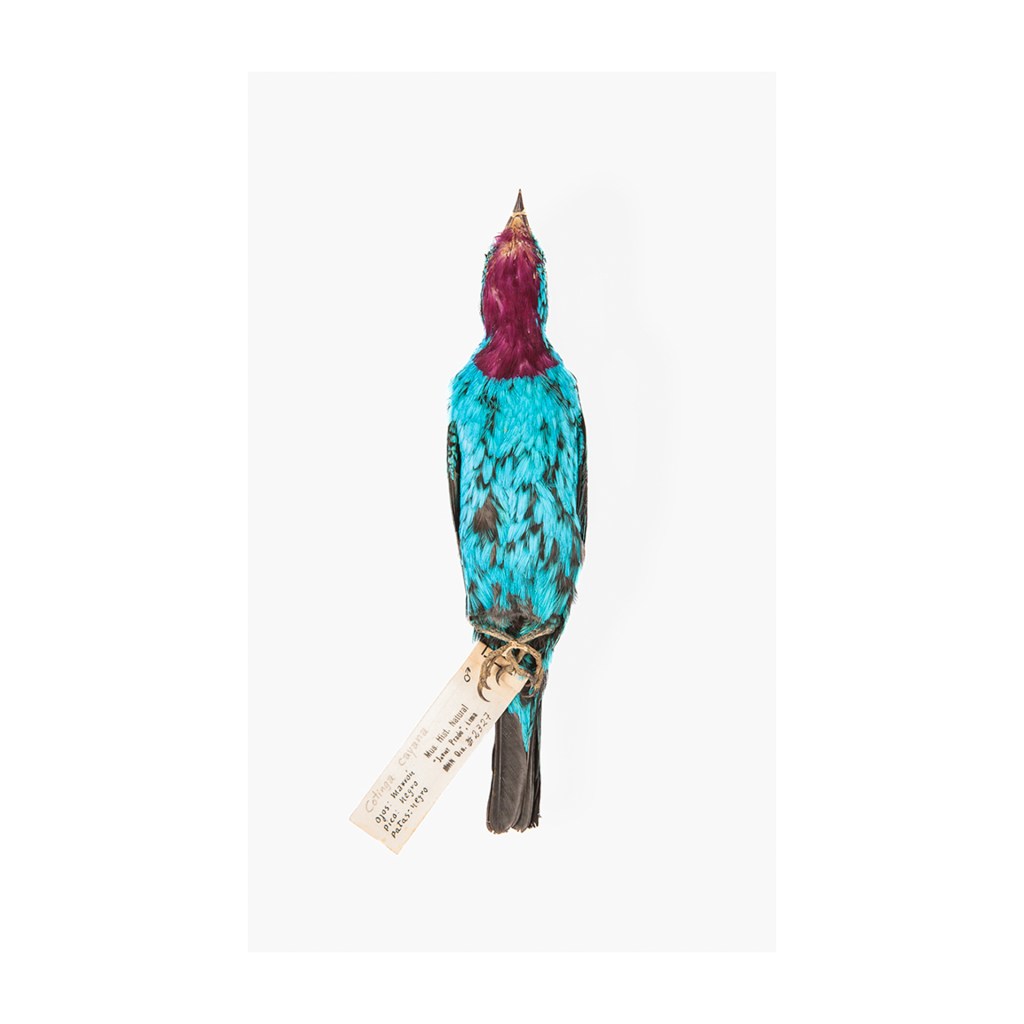
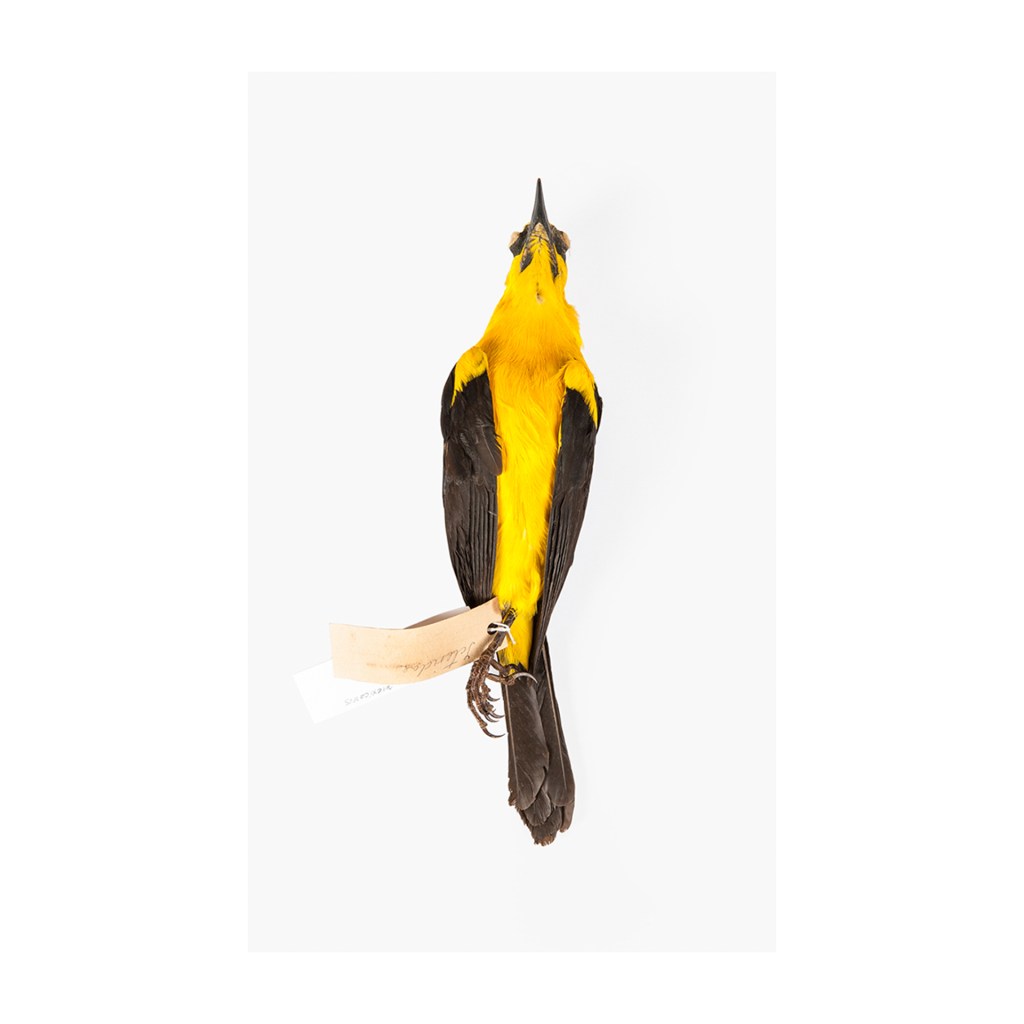
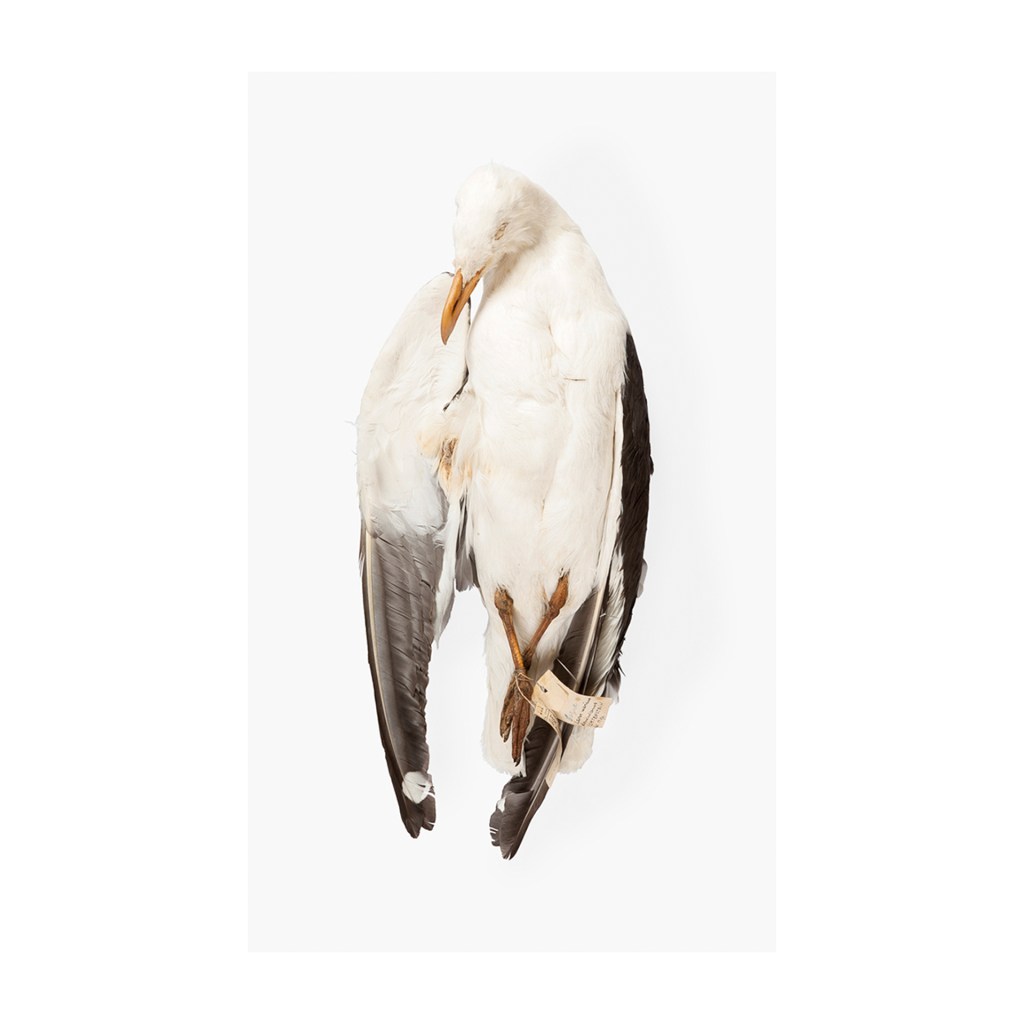
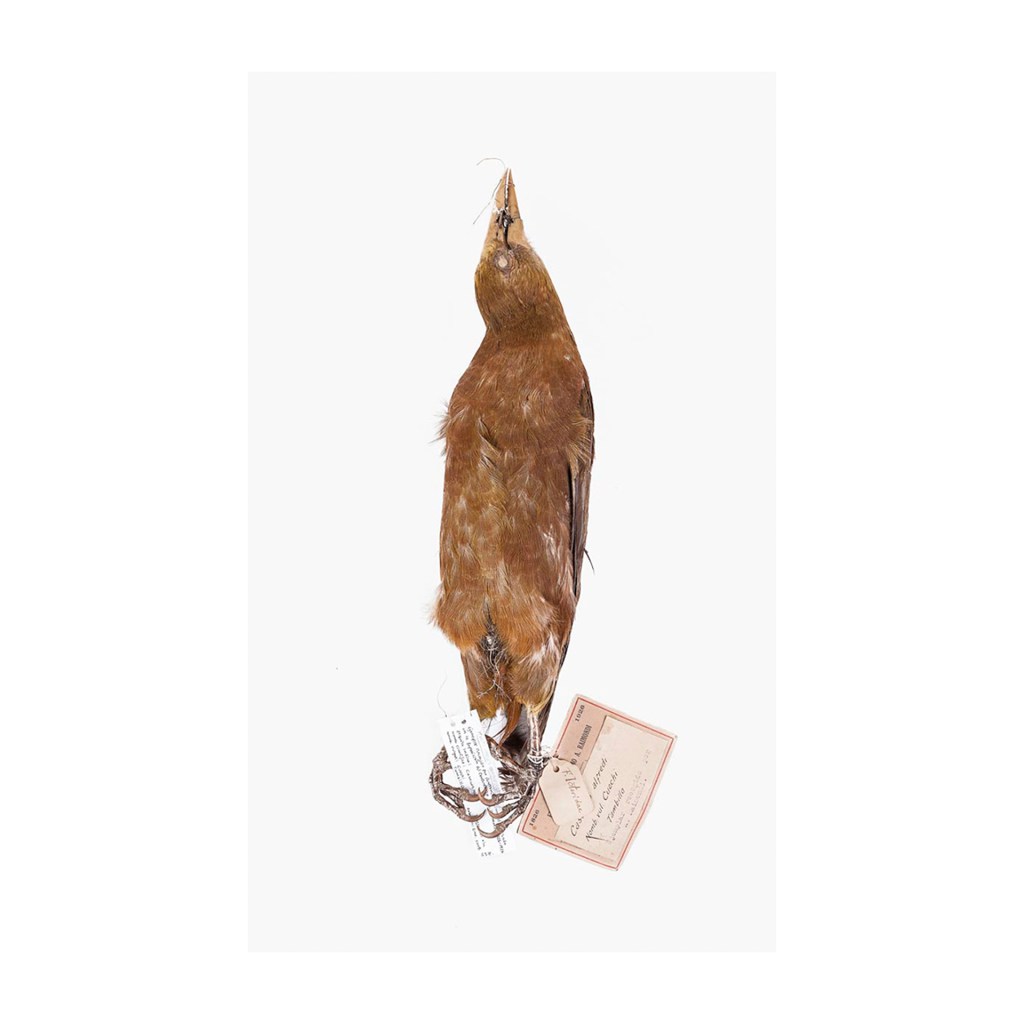
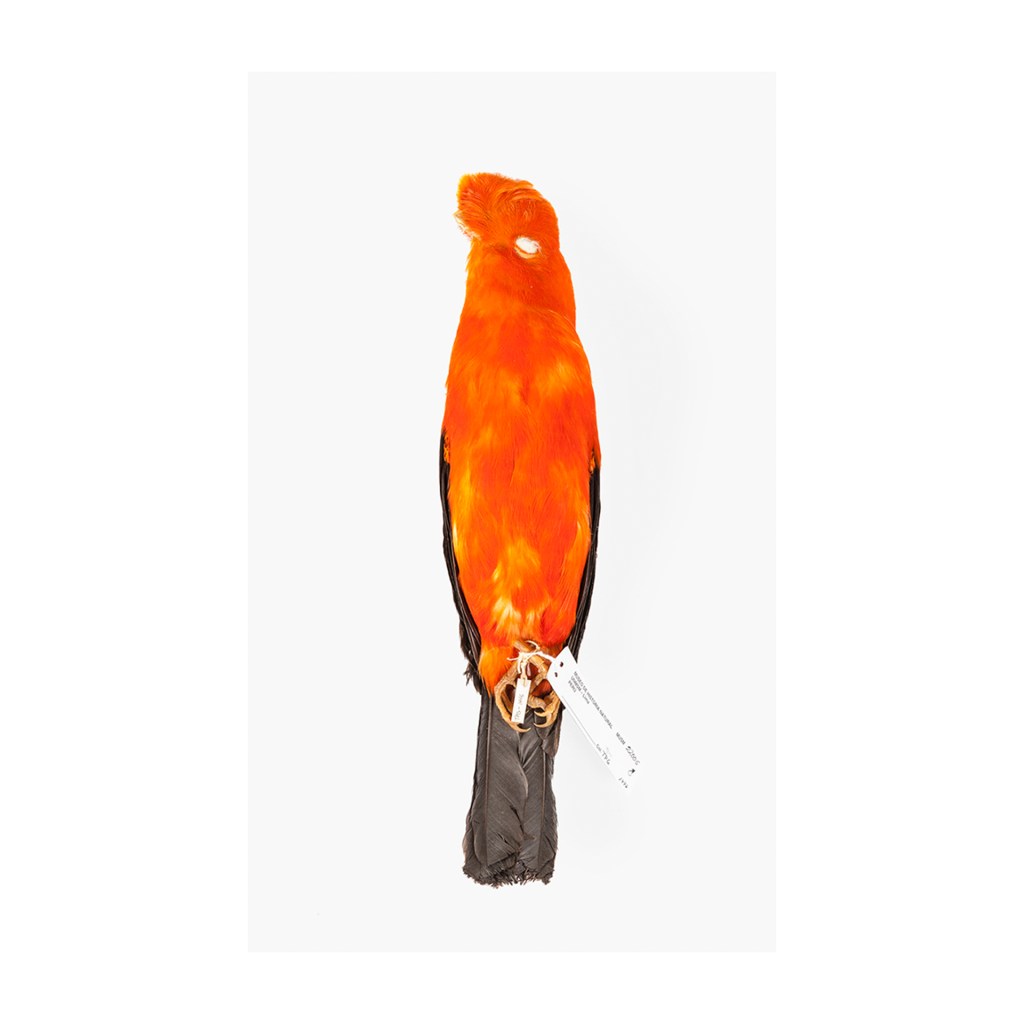
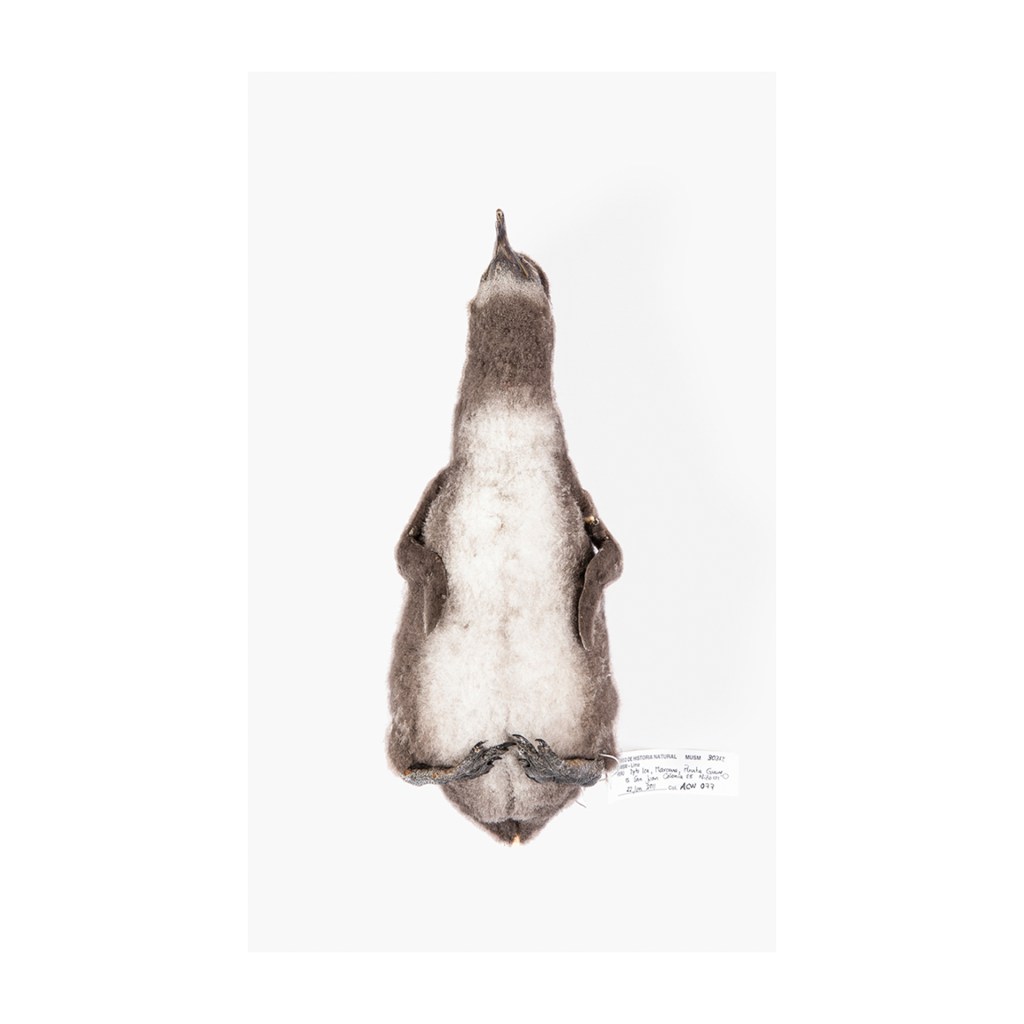
Ornis I y Ornis II: La Muerte es Bella y la Eternidad También [Ornis I and Ornis II: Death is Beautiful as Well as Eternity] takes as its starting point the formal criteria of zoological classification and the photographic tradition of typology. It examines how, from both the sciences and the arts, knowledge about nature is produced through the archive. The pieces from the Ornithology collection of the Natural History Museum of San Marcos reveal a hermetic and enclosed space. Flight, a symbol of freedom, life, and transit, is suspended to give way to the stillness of the scientific and museographic archive, making visible a way of giving materiality to death and memory. The human care and effort devoted to their preservation seem to extend their existence, although they remain destined to deteriorate. Ornis I and Ornis II thus propose a reflection on the paradox of attempting to fix that which, by nature, is destined to decay. At the same time, they highlight the resources of scientific practices and their classificatory logics in the construction of an archive that projects future usefulness, even for a time when we ourselves will have perished.
El proyecto Ornis I y Ornis II: La Muerte es Bella y la Eternidad También toma como punto de partida los criterios formales de la clasificación zoológica y la tradición fotográfica de la tipología. Examina cómo, desde las ciencias y las artes, se producen conocimientos sobre la naturaleza a través del archivo. Las piezas de la colección de Ornitología del Museo de Historia Natural de San Marcos revelan un espacio hermético y enclaustrado. El vuelo, símbolo de libertad, vida y tránsito, se suspende para dar lugar a la estática del archivo científico y museográfico, haciendo visible una forma de dar materialidad a la muerte y la memoria. El cuidado y esfuerzo humano por su conservación aparenta extender su existencia, aunque siguen estando destinadas al desgaste. Ornis I y Ornis II plantean así una reflexión sobre la paradoja de intentar fijar lo que, por naturaleza, está destinado a deteriorarse. Al mismo tiempo, evidencian los recursos de las prácticas científicas y sus lógicas de clasificación en la construcción de un archivo que proyecta utilidad futura, incluso para cuando nosotros mismos hayamos perecido.
 Solange Adum Abdala