2024-2023
Installation with video, drawing, photography and family archive [Instalación de video, dibujo, fotografía y archivo familiar]
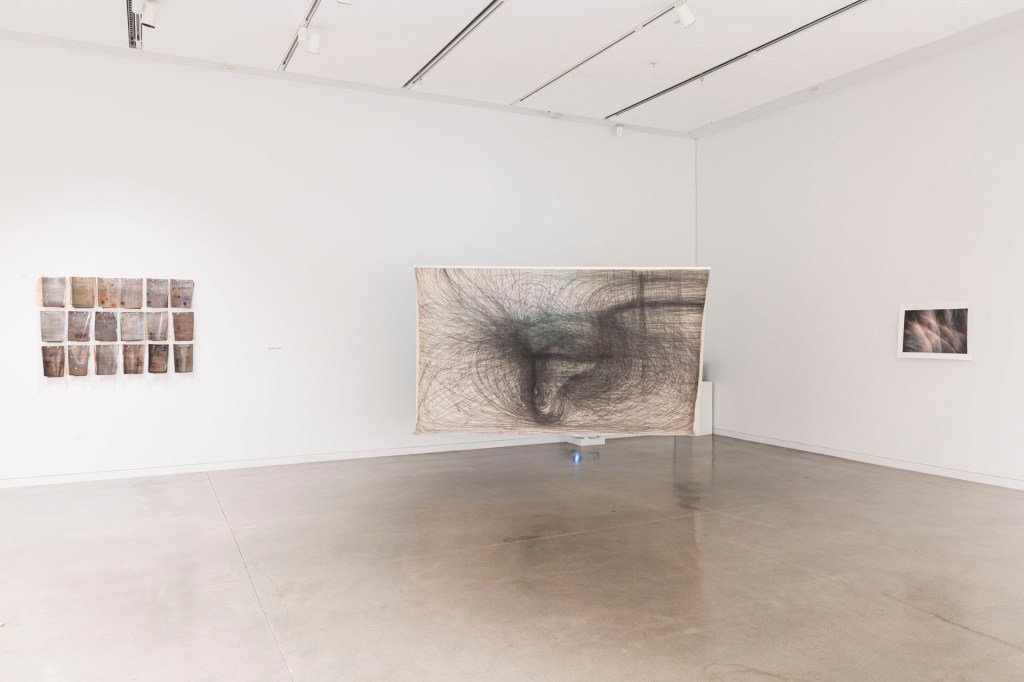
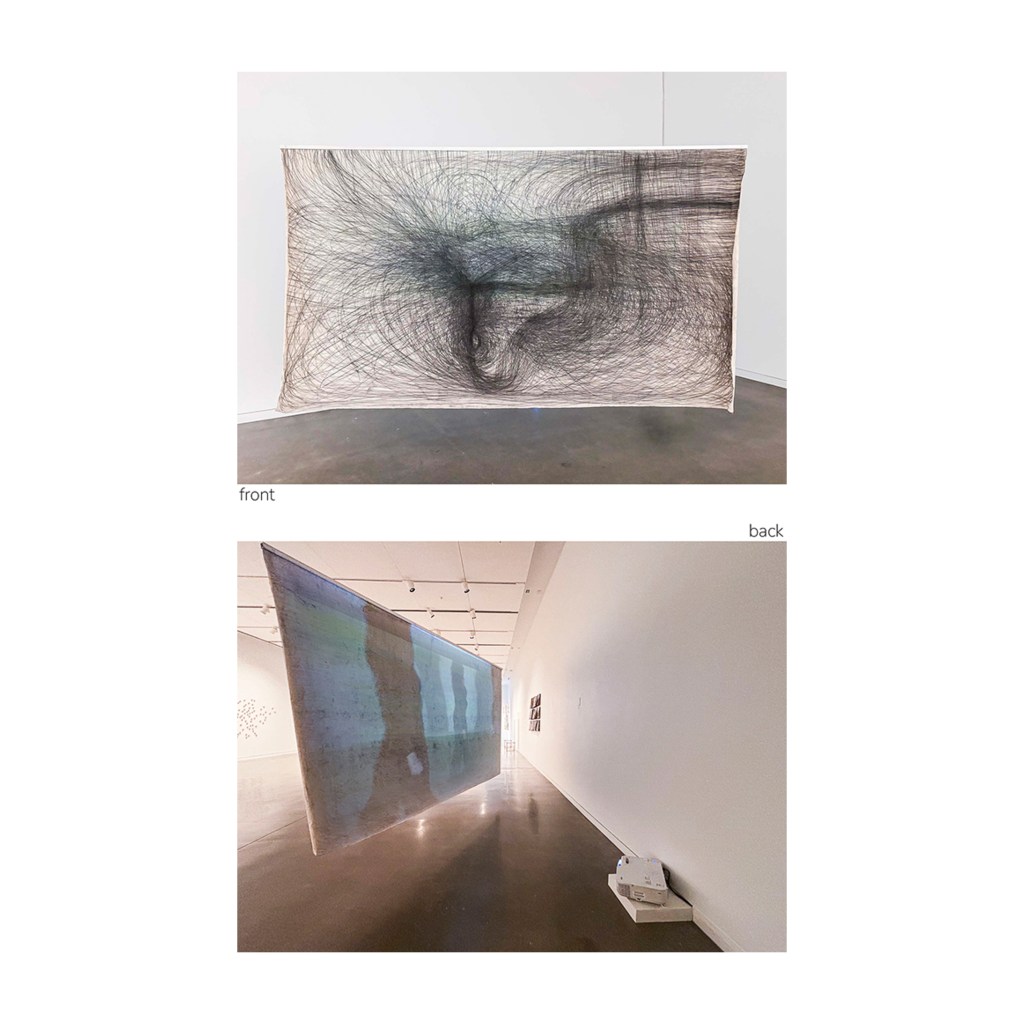
Photo documentation at the AHVA Gallery in Vancouver, Canada. 2024.

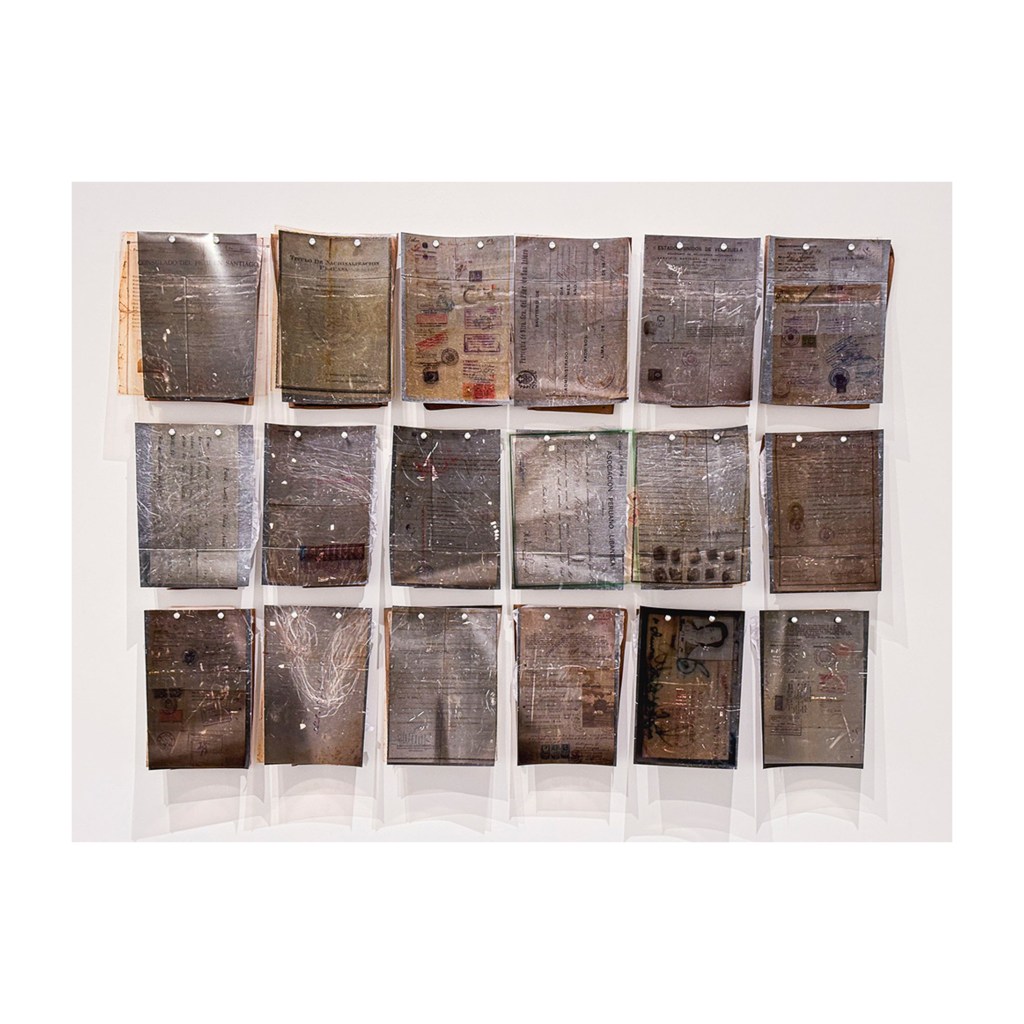
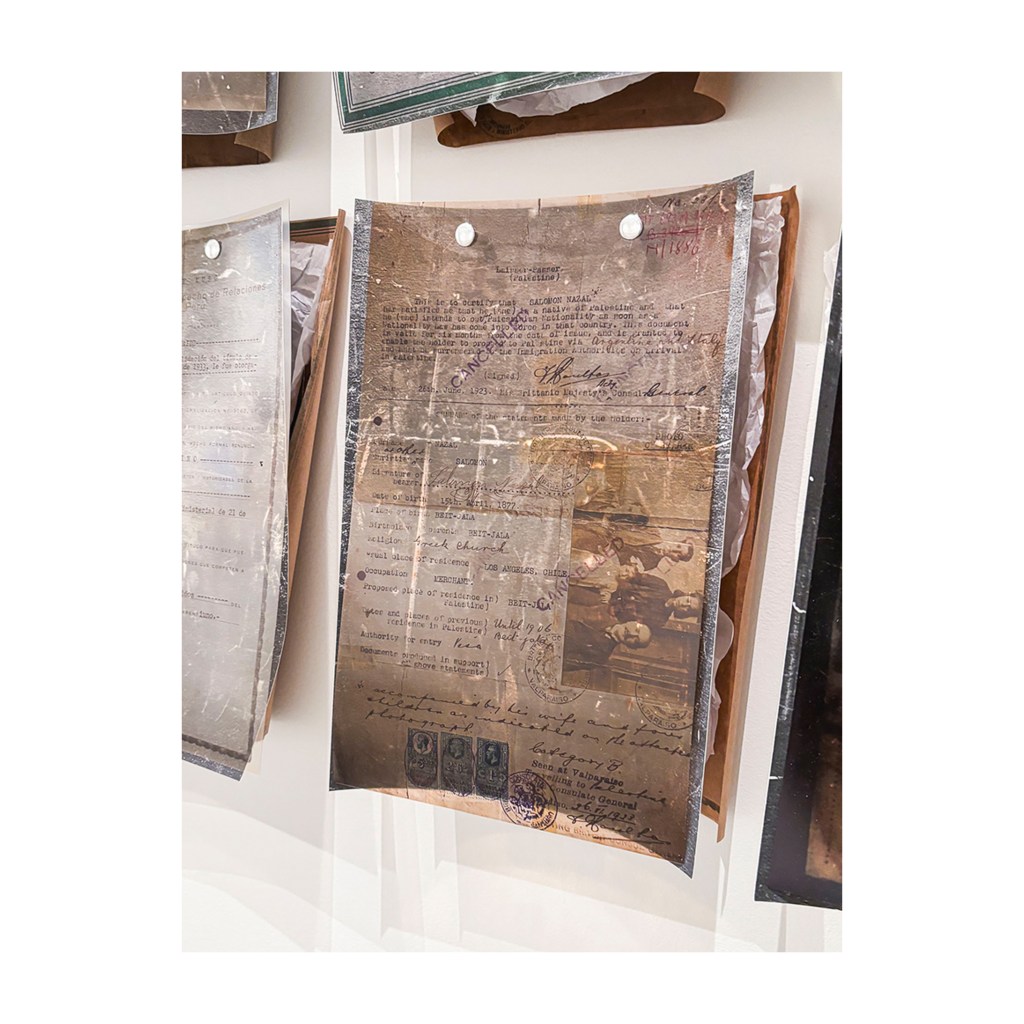
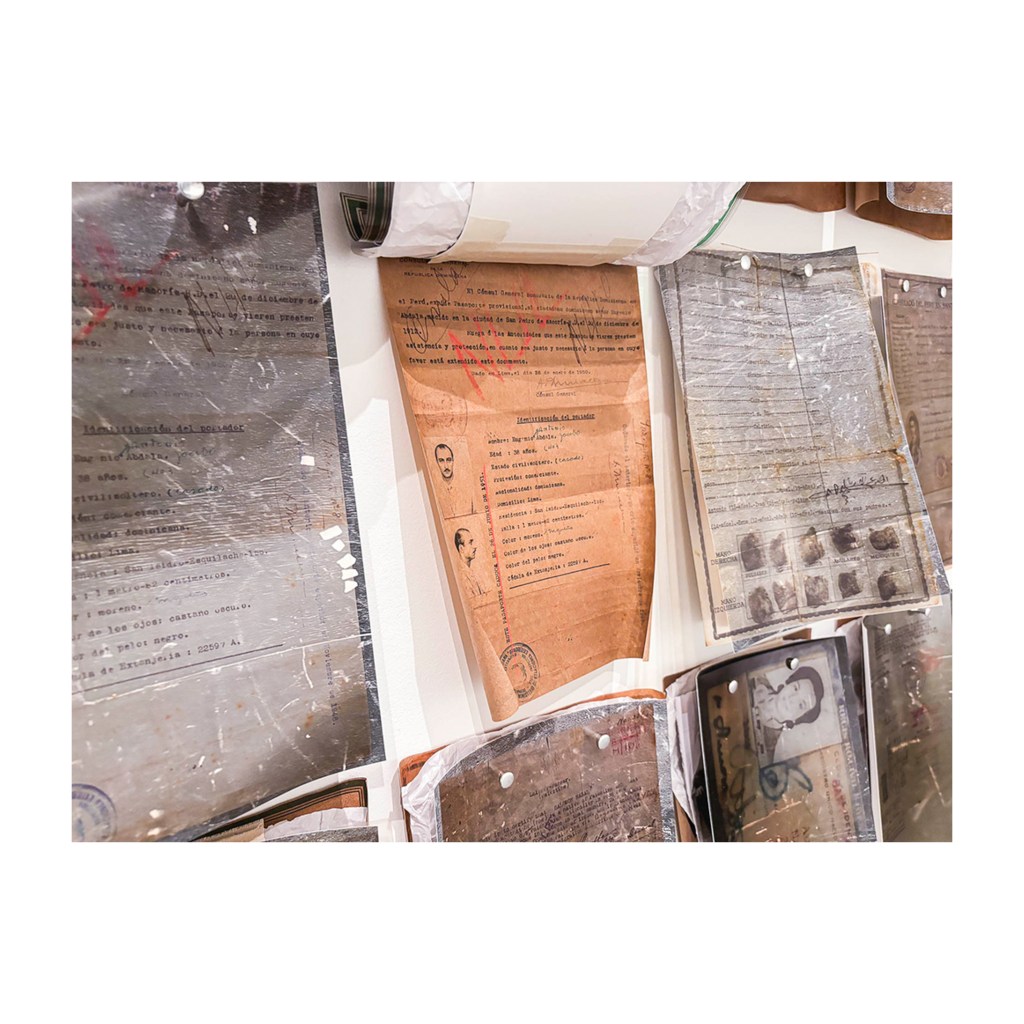
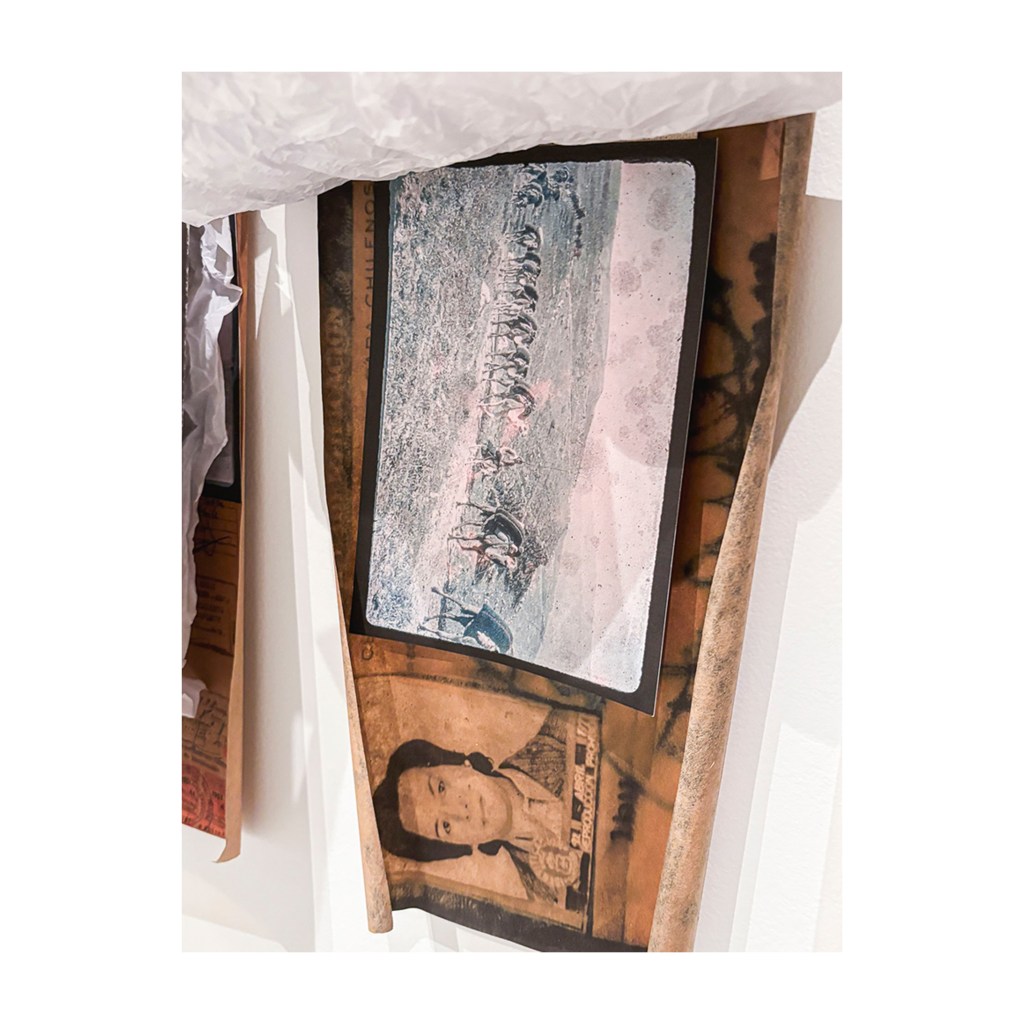
My maternal ancestry comes from Beit Jala, Palestine, while my paternal family is from Zgharta, Lebanon, both from Orthodox Christian belives. My great-grandparents left their respective Arab countries, expelled by the repression of the Ottoman and British Empires, in search of a better life in ¨The Americas.¨ After years of travelling by steamship from the Middle East to the Caribbean and South America, enduring the transit process that intensified the feeling of not belonging, my family settled between Peru, Brazil, and Chile. This migratory process lasted approximately 70 years, an experience that has become a part of my family heritage. As I migrated from Peru, the country where I was born, to Vancouver, I have explored the conceptions of space and time through navigation and memory. I feel that my body has relived the experiences of my great-grandparents, grandparents, and father.
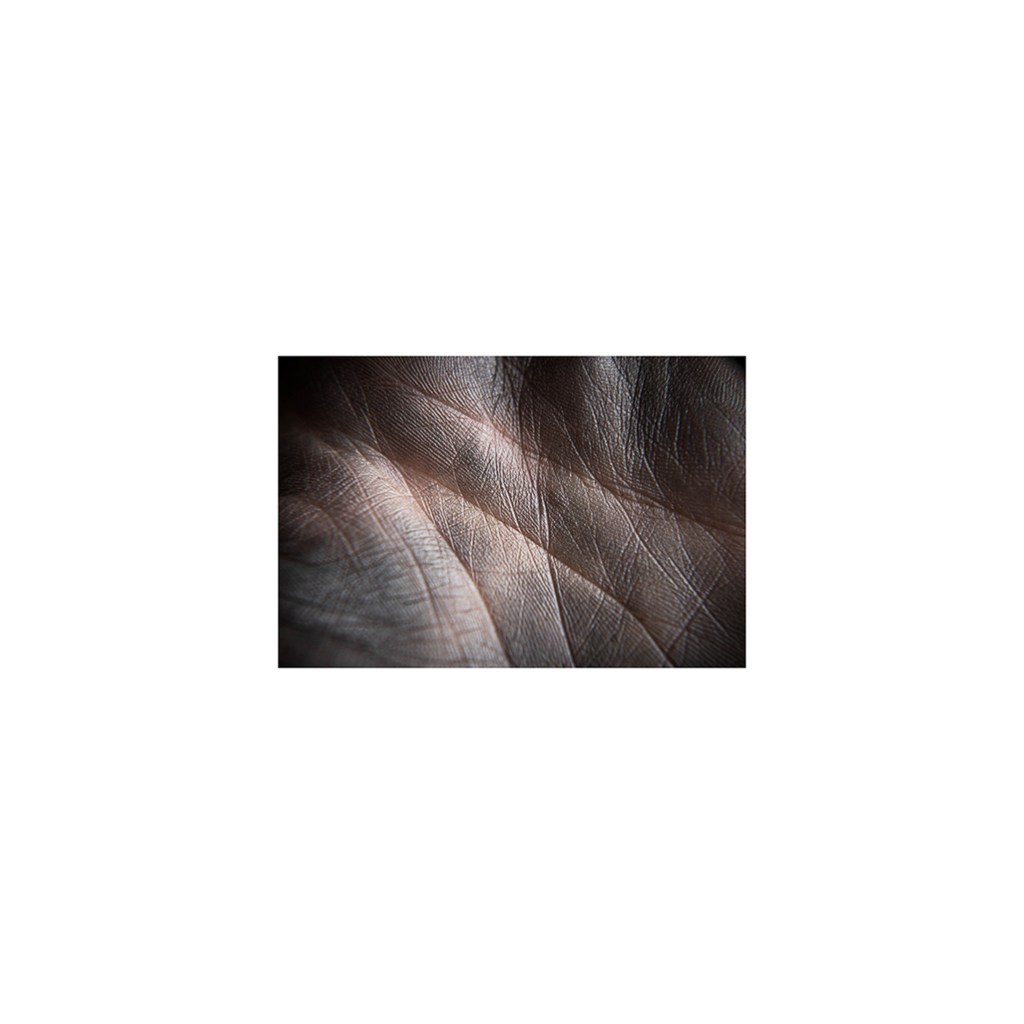
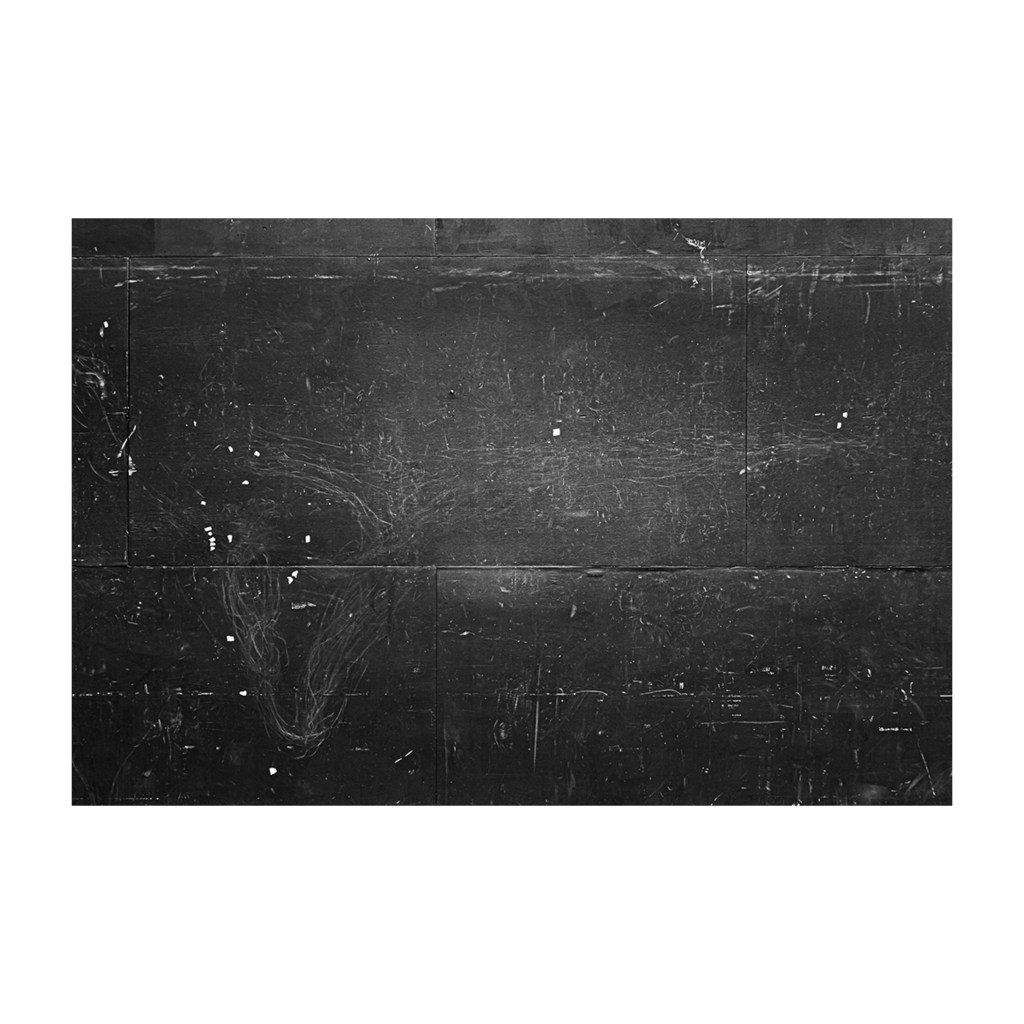
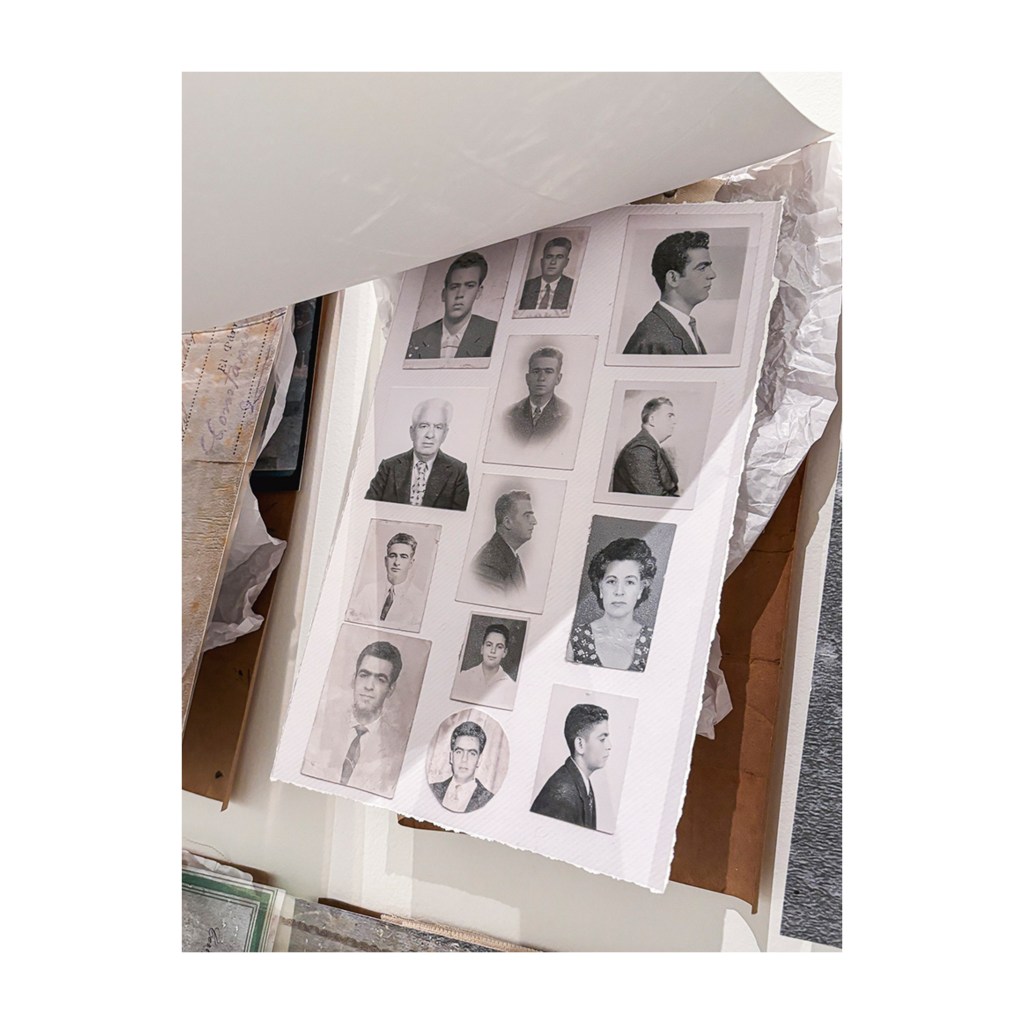
The intersdisciplinary installation Laisser-Passer [Let Pass] explores, through a personal and family narrative, the first waves of migration from the Arab community to Latin America in the late 19th and early 20th centuries. The French term «Laisser-Passer», historically used as a «free passage» visa for migrants, appears in my family documents. The work consists of a performative video projected on the back of a 13.1 by 5.9-foot floating canvas. On this surface, I have traced an innumerable amount of speculative and expansive routes of my ancestors and my own path. The video reproduces a high-pitched noise, obtained from the recording of the empty room. This sounds activates an uncomfortable feeling of absence that hums in the brain and the heart. The distance between the projection from the floor to the canvas allows viewers to walk in front of the projector, thus casting their shadow on the video, in which my walk and my family are unified with the migratory stories of many other people. A photograph of the palm of my hand taken after completing the traces on the canvas, the documentation of a performative act in which I scrape the speculative routes onto a black wall with my knuckles, and a layout that conglomerates migratory documents, drawings and family archive photographs, are also part of the installation.
In Laisser-Passer, the physical repetition of an action alludes to an ongoing journey. The research establishes a temporal connection between family lineage, migration and a narrative that transcends time.
Mi ascendencia materna proviene de Beit Jala, Palestina, mientras que la familia de mi padre es de Zgharta, Líbano, ambas de creencias cristianas ortodoxas. Mis bisabuelos dejaron sus respectivos países árabes, expulsados por la represión de los Imperios Otomano y Británico, en busca de una vida mejor en “Las Américas”. Después de años de viajar en barco de vapor desde Medio Oriente hacia el Caribe y Sudamérica, soportando un proceso de tránsito que intensificó la sensación de no pertenencia, mi familia se estableció entre Perú, Brasil y Chile. Este proceso migratorio duró aproximadamente 70 años, una experiencia que se ha convertido en parte de la herencia de mi familia. Al migrar yo desde Perú, el país donde nací, hacia Vancouver, he explorado las concepciones de espacio y tiempo a través de la navegación y la memoria. Siento que mi cuerpo ha revivido las experiencias de mis bisabuelxs, abuelxs y padre.
La instalación interdisciplinaria Laisser-Passer [Dejar Pasar] explora, a través de una narrativa personal y familiar, las primeras olas de migración de la comunidad árabe hacia América Latina a finales del siglo XIX y principios del siglo XX. El término francés “Laisser-Passer”, utilizado históricamente como una visa de “libre paso” para migrantes, aparece en los documentos de mi familia. La obra consiste en un video performativo proyectado en la parte posterior de un lienzo flotante de 4 x 1.8 metros. Sobre esta superficie he trazado una innumerable cantidad de rutas especulativas y expansivas de mis ancestros y de mi propio camino. El video reproduce un ruido agudo, obtenido de la grabación de la habitación vacía. Este sonido activa una sensación incómoda de ausencia que zumba en el cerebro y en el corazón. La distancia entre la proyección desde el piso hacia el lienzo permite a los espectadores caminar frente al proyector, proyectando así su sombra sobre el video, en donde mi caminar y mi familia se unifican con las historias migratorias de muchas otras personas. Son parte también una fotografía de la palma de mi mano realizada después de finalizar los trazos sobre el lienzo, la documentación de un acto performativo en el que rasgo con mis nudillos las rutas especulativas sobre una pared negra, y un montaje que aconglomera documentos migratorios, dibujos y fotos de archivo familiar.
En Laisser-Passer, la repetición física de una acción alude a un viaje en curso. La investigación establece una conexión temporal entre el linaje familiar, la migración y una narrativa que trasciende el tiempo.
 Solange Adum Abdala